Account Executive to Senior AE: How to Make the Jump


 CareerClimb
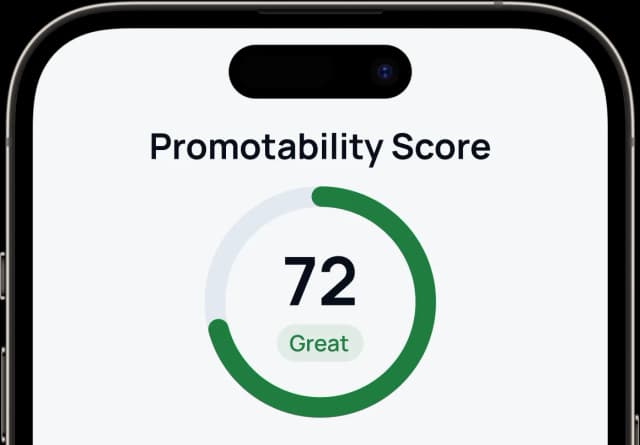
Stuck at mid-level AE?
Get AI coaching on what to document, what to say to your manager, and how to build a promotion case that closes itself.

Share this article
You have been hitting quota for two years. Maybe three. You are a solid AE. Your manager says good things about you in pipeline reviews. You close deals, your clients renew, and nobody has anything bad to say.
And yet the Senior AE title has not come. Someone with fewer years on the team just got it, and you are trying to figure out what they did that you did not.
Most Account Executives plateau at the mid-level. Not because they are bad at their jobs, but because the things that make you a good AE are not the same things that make you a senior one. Quota attainment gets you in the conversation. It does not get you the title.
What "Senior AE" actually means
The label varies by company, but the job is consistent: Senior AEs handle bigger, more complex deals with more autonomy and less hand-holding from leadership.
At most SaaS companies, the progression looks something like this:
- SMB/Commercial AE -- deals under $50K, shorter cycles, fewer stakeholders
- Mid-Market AE -- deals between $50K and $250K, longer cycles, multiple decision-makers
- Senior AE / Enterprise AE -- deals above $250K, multi-threaded sales involving procurement, legal, and C-suite buyers
Senior AEs typically carry quotas starting at $1.2M in annual bookings. Their on-target earnings (OTE) range from $180,000 to $300,000 or more, with a heavier variable split (often 40/60 or 30/70 base to commission). For comparison, mid-level AE OTE sits around $140,000 to $200,000.
The money is real. But the job is different in ways that go beyond deal size.
A Senior AE owns a territory strategy. They forecast their number, build pipeline from scratch, and manage a book of business that requires planning quarters ahead. They navigate buying committees where six people have to say yes and any one of them can kill the deal. They work across Product, Marketing, and Customer Success inside their own company to move deals forward.
That is a different job from running a sales cycle against a single buyer.
Three things that separate senior from mid-level
Quota attainment is table stakes. Every Senior AE hits their number. The question is what else they do.
1. Multi-threading
Mid-level AEs sell to one person. They find their champion, build the relationship, and hope that champion can push the deal through internally. When the champion leaves the company or loses budget authority, the deal dies.
Senior AEs build relationships across the buying organization. They know the economic buyer, the technical evaluator, the end users, and the internal blocker before the deal reaches procurement. One sales leader described it this way: "Enterprise decisions are collective, political, and layered. You have to navigate the concerns, priorities, and objections of multiple stakeholders at the same time."
If you are still running single-threaded deals, you are not ready for senior territory.
2. Pipeline ownership
Mid-level AEs work the pipeline that is handed to them. They rely on SDRs, marketing leads, and inbound. When that pipeline dries up, their quarter dries up too.
Senior AEs own their pipeline end to end. They prospect into strategic accounts, build relationships that generate referrals, and forecast with enough accuracy that leadership trusts their numbers. A senior rep does not show up to a forecast call and say "I feel good about this quarter." They show up with specific deal stages, close dates, and documented risk for every opportunity.
Pipeline ownership also means knowing when to walk away. Mid-level AEs chase every deal because they need the number. Senior AEs qualify hard and focus their time on the deals most likely to close at the highest value. The 60/40 rule is a common benchmark: 60% of your time advancing qualified opportunities, 40% on generating new pipeline.
3. Negotiation and deal management
Mid-level AEs discount to close. They get nervous when procurement pushes back, and they give margin away to get the deal done. Their close rate looks good, but their average deal value tells a different story.
Senior AEs hold value. They justify pricing by tying it to the buyer's specific business outcomes. They manage contract terms, handle procurement objections, and run the negotiation without giving away the store. When a prospect says "We need 20% off or we walk," the senior rep asks questions about what is driving that number instead of immediately asking their VP for approval to cut the price.
This skill does not develop by accident. It develops through practice and preparation, and through getting comfortable sitting in the tension of a stalled deal.
What managers look for beyond your number
When your VP of Sales evaluates you for a Senior AE promotion, they are answering one question: "Can this person handle a bigger, more complex book of business without me having to manage them closely?"
Consistency over spikes. One blowout quarter followed by a miss is less compelling than four consecutive quarters at 100% to 110%. Managers want predictability. They need to know that promoting you will not create a gap in a territory.
Forecast accuracy. If you tell your manager a deal will close on March 15 and it slips to April 30, that matters. Inaccurate forecasting costs the company real money in missed targets and bad resource allocation. Senior AEs develop a reputation for calling their number.
Leadership without the title. Are you mentoring newer AEs? Are you sharing what works in team meetings? Are you the person other reps ask for advice? Managers notice who lifts the room, and they remember it when promotion decisions come around.
Client expansion beyond new logos. Growing an existing account is cheaper than winning a new one, and most managers know it. Senior AEs think about net revenue retention, not only new bookings. If your clients renew and expand without you having to re-sell them every year, that signals account management maturity.
Strategic thinking. Can you explain your territory plan? Do you know which accounts you are going after next quarter and why? Senior AEs do not wait for inbound interest. They map their territory, rank accounts by fit and revenue potential, and build a plan that survives contact with reality.
Five behaviors that keep AEs stuck at mid-level
Treating every deal the same size. A $30K deal and a $300K deal require different strategies, timelines, and stakeholder engagement. If you run the same playbook for both, you are leaving money on the table and signaling that you do not know how to operate upmarket.
Avoiding relationships above the VP level. Mid-level AEs get comfortable selling to directors and managers. Senior AEs build relationships with VPs and C-suite buyers. If the highest-level person you talk to in a deal is a senior manager, your deals will stall when budget decisions move up the chain.
Relying on discounting to close. Every discount you give trains your market to expect discounts. More importantly, it trains your manager to see you as someone who cannot sell on value. The AE who closes at full price with longer cycles is often more promotable than the one who closes fast at a discount.
Ignoring mentoring opportunities. When a new AE joins the team and struggles, do you help them or do you focus only on your own number? Managers watch this closely. The reps who mentor without being asked are the ones who get considered for senior roles and eventually for management.
Waiting for the title before doing the job. This is the same mistake SDRs make when trying to become AEs. The promotion does not come first. The behavior does. If you want to be a Senior AE, start operating like one: own your territory strategy, forecast with precision, multi-thread your deals, and lead your peers. When the title conversation happens, your manager should already see you doing the work.
How to position yourself starting this quarter
Ask your manager what Senior AE looks like at your company. Not every company has a formal title path. Some use "Senior AE" to mean enterprise deals. Others use it for AEs who mentor and lead without managing. Some companies do not have the title at all and instead promote through territory upgrades. You need to know what you are aiming at before you can hit it.
Audit your deal history for patterns. Look at your last 8 to 10 closed deals. What was the average deal size? How many stakeholders were involved? How long was the sales cycle? How much did you discount? The answers tell you where you are on the mid-level to senior spectrum and what needs to change.
Start multi-threading every deal. For your next three opportunities, map the buying committee before the second call. Identify the economic buyer, the champion, the technical evaluator, and any potential blockers. Build relationships with at least two of them before the deal reaches the proposal stage.
Improve your forecast accuracy. For the next month, track your own predictions versus outcomes. Write down what you expect to close and by when. At the end of the month, compare. Do this for a full quarter and you will start to see where your judgment is off and where it is reliable.
Document everything. Your manager will not remember every deal you multi-threaded or every new rep you coached through a tough call. You need a running record of the behaviors that demonstrate senior-level work, and you need to quantify wins that lack obvious numbers like mentoring impact or process improvements. When the promotion conversation comes, you bring the evidence.
The AE to Senior AE jump is about operating differently, not working harder at the same level. Bigger territory, more complex relationships, a strategic approach to how you sell. Managers do not promote AEs who are the best at mid-market selling. They promote AEs who have already started doing the senior job.
Your quota proves you can sell. Your behavior proves you are ready for what comes next.
Build a promotion case that does the selling for you
The jump to Senior AE comes down to evidence your manager can point to when they go to bat for you. Logging wins, tracking your deal complexity over time, and building a case with real data is what separates the AEs who advance from the ones who keep hearing "not yet." CareerClimb helps you capture wins, build your promotion case, and get AI coaching on exactly what to do next. Download CareerClimb free on the App Store.