Robinhood Software Engineer Career Ladder
Every level of Robinhood's software engineering ladder from IC3 to IC7 — typical timelines, what changes at each level, why engineers get stuck, and how promotions actually work.
Last updated: March 25, 2026
 CareerClimb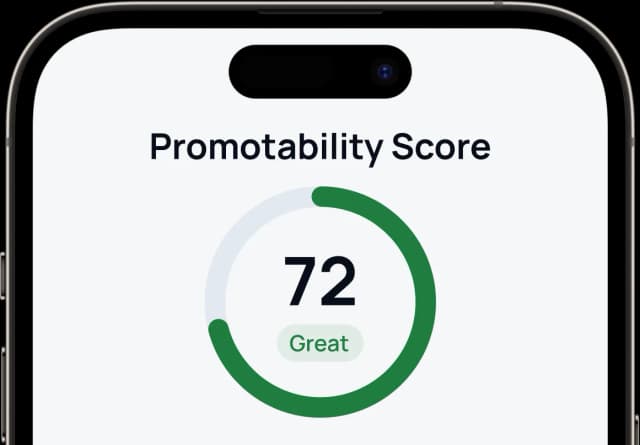
Aiming for your next level at Robinhood?
Get a personalized promotion plan with AI coaching.

Share this article
Level Overview
| Level | Title | Typical Years | Median TC | Terminal? |
|---|---|---|---|---|
| IC3 | Software Engineer II | 1–3 yr | $202K | No |
| IC4 | Software Engineer | 1.5–4 yr | $295K | No |
| IC5 | Senior Software Engineer | 2–4+ yr | $411K | Yes |
| IC6 | Staff Software Engineer | 2–4+ yr | $534K | Yes |
| IC7 | Principal Engineer | 3–5+ yr | $542K | Yes |
Promotion Cycle
Frequency
Semi-annual promotion cycles
Decision Maker
hybrid
Panel and peer feedback-driven with manager advocacy. Promotion criteria are described by employees as opaque, with the bar varying by team. Managers play a key role in nominating candidates and building promotion cases, but the panel review adds a cross-organizational perspective. Internal candidates are prioritized for advancement, though some teams fill roles externally. Mentorship programs pair engineers with senior mentors for career development.
Key Details
- •Promotion criteria are described as opaque — what earns the next level varies by team
- •Panel and peer feedback are used to evaluate promotion cases
- •Internal candidates are prioritized for advancement and scope expansion
- •Team-dependent advancement — promotion experiences vary significantly across teams
- •Engineers expected to be productive within three months of joining — aggressive ramp expectations
- •On-call responsibilities are part of the engineering culture and start early
- •Mentorship programs pair engineers with senior mentors and managers for regular check-ins
- •Career coaching available for exploring both IC and management tracks
- •PIPs issued for sustained underperformance — Robinhood has a performance-oriented culture
- •RSUs vest 25% annually over four years — stock movement significantly affects total comp
Are You Ready for Your Next Level at Robinhood?
Get a personalized score and find out what's holding you back.
8 questions · about 2 minutes · free score
1 of 8
If your manager had to make the case for your promotion tomorrow, could they — without calling you first?
IC3 — Software Engineer II
Junior / New GradEntry point for new grads and early-career engineers. You work on well-scoped tasks within your team, learning Robinhood's codebase, financial domain, and development practices. You are expected to ramp fast — the company expects engineers to be productive within three months.
Typical Time at Level
1–3 years (typical: ~2 years)
Total Compensation (US)
$175K–$235K (median: $202K)
Source: Levels.fyi
Why Engineers Get Stuck Here
- •Not ramping fast enough — Robinhood expects productivity within three months, which is aggressive given the complex financial domain
- •Struggling with on-call responsibilities that come early in the career here
- •Not demonstrating project ownership — IC4 requires owning features independently
- •Not learning the financial domain deeply enough to make autonomous technical decisions
IC4 — Software Engineer
Mid-LevelYou own features end-to-end with minimal guidance. You scope work independently, write design docs for your features, and ship without someone checking every step. The jump from IC3 is about operating without scaffolding and demonstrating basic technical leadership within your team.
Typical Time at Level
1.5–4 years (typical: ~3 years)
Total Compensation (US)
$250K–$350K (median: $295K)
Source: Levels.fyi
Why Engineers Get Stuck Here
- •Doing solid IC4 work without demonstrating IC5-scope impact — volume of mid-level output does not earn Senior
- •No design docs with your name on them — IC5 engineers author technical designs, not just implement them
- •Not mentoring IC3 engineers — IC5 is the first level where growing others is expected
- •Opaque promotion criteria — what earns IC5 varies by team, creating confusion about the actual bar
- •On-call responsibilities consuming time that could go toward promotion-track project work
- •Not building visibility beyond your immediate team — promotions rely on panel and peer feedback
IC5 — Senior Software Engineer
SeniorFirst terminal level — no pressure to advance. You own medium-to-large projects, author design docs, mentor junior engineers, and operate with significant autonomy. You drive complex technical decisions and are a recognized technical leader within your team. The financial domain expertise expected at this level is substantial.
Typical Time at Level
2–4+ years (typical: ~4 years)
Total Compensation (US)
$360K–$470K (median: $411K)
Source: Levels.fyi
Why Engineers Get Stuck Here
- •Continuing to operate at team scope instead of demonstrating cross-team influence and impact
- •Not creating scope — solving known problems instead of identifying new ones that span team boundaries
- •Doing all the work yourself instead of leading through others and enabling the team
- •Opaque promotion criteria for IC6 — the bar for Staff is inconsistent across teams
- •Team-dependent advancement — some teams promote to IC6 more readily than others
- •Not building relationships with engineers and stakeholders outside your team
- •Expecting promotion based on tenure — IC5 is terminal, years at level alone build no case
IC6 — Staff Software Engineer
StaffOrganization-level scope. You set technical direction across multiple teams, drive cross-org initiatives, and influence how Robinhood's engineering organization operates. You are the person other teams come to for architectural guidance and technical strategy. The jump from IC5 is about breadth of impact and leading through influence.
Typical Time at Level
2–4+ years (typical: ~4 years)
Total Compensation (US)
$470K–$600K (median: $534K)
Source: Levels.fyi
Why Engineers Get Stuck Here
- •Impact limited to a single team or product area
- •Not shaping technical strategy at the organizational level
- •Lacking visibility with senior engineering leadership
- •Not growing the organization — recruiting, developing senior engineers, improving team health
IC7 — Principal Engineer
PrincipalCompany-wide scope. You define technical strategy across the organization, drive company-level initiatives, and are recognized as a domain authority within Robinhood. Very few engineers reach this level.
Typical Time at Level
3–5+ years (typical: ~5 years)
Total Compensation (US)
$500K–$575K (median: $542K)
Source: Levels.fyi
Why Engineers Get Stuck Here
- •Scope limited to a single organization or product area
- •Not driving company-level technical strategy or architecture decisions
- •Insufficient industry-level visibility and recognition
Additional Context
Robinhood went public in July 2021 and operates a commission-free trading platform. The engineering ladder uses dual naming — L1-L5 externally and IC3-IC7 internally. The financial domain adds complexity to the engineering role: regulatory compliance, real-time trading systems, and financial data integrity are core concerns that affect promotion expectations at every level. Robinhood has a performance-oriented culture with aggressive ramp expectations (productive within three months) and early on-call responsibilities. Management tracks (M0/M1) branch from senior IC levels. Stock performance significantly affects total comp — Robinhood RSUs vest 25% annually over four years.
Keep exploring
Software Engineer ladders at other companies
Data sourced from Team Blind (verified Robinhood employees), Levels.fyi (168+ profiles, March 2026), 6figr, 4dayweek.io, and Robinhood employee reviews. Compensation figures from Levels.fyi. Last verified March 2026.