Amazon Software Engineer Career Ladder
Every level of Amazon's software engineering ladder from SDE1 to Principal — typical timelines, how the promo doc process works, Leadership Principles, and why engineers get stuck.
Last updated: March 23, 2026
 CareerClimb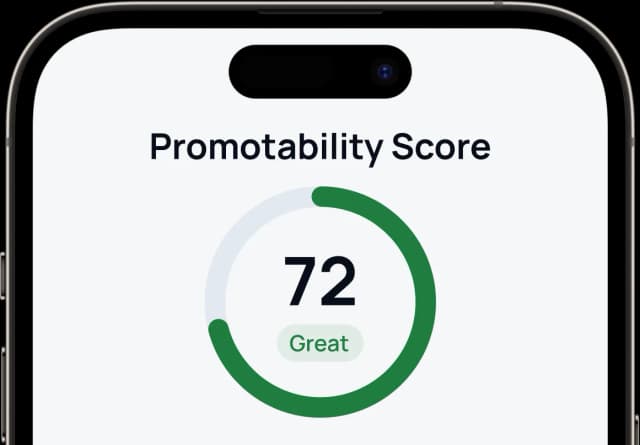
Aiming for your next level at Amazon?
Get a personalized promotion plan with AI coaching.

Share this article
Level Overview
| Level | Title | Typical Years | Median TC | Terminal? |
|---|---|---|---|---|
| SDE1 | Software Development Engineer I | 1–3 yr | $170K | No |
| SDE2 | Software Development Engineer II | 2–3.5+ yr | $267K | Yes |
| SDE3 | Software Development Engineer III / Senior SDE | 3–5+ yr | $420K | Yes |
| Principal | Principal SDE | 4–7+ yr | $700K | Yes |
| Sr. Principal | Senior Principal SDE | 5–8+ yr | $1200K | Yes |
| Distinguished | Distinguished Engineer | 8–12+ yr | $2000K | Yes |
Promotion Cycle
Frequency
Twice yearly (aligned with Forte review cycles in Q1 and Q3)
Decision Maker
panel
Manager-driven with promotion panel review. The manager writes a formal promotion document (promo doc) using input from the engineer. For SDE2→SDE3, this doc is 15+ pages and structured around Leadership Principles. The doc is reviewed adversarially by a promotion panel, then finalized at the Organization and Leadership Review (OLR).
Key Details
- •Promo doc is the primary evidence — structured around Leadership Principles with specific examples
- •Panel reviews adversarially — they actively challenge claims, looking for gaps
- •Forte review system provides the performance signal (twice yearly)
- •4-6+ stakeholder endorsements required from L6+ engineers for SDE2→SDE3
- •Manager writes the doc, but the engineer provides all raw material (wins, metrics, LP stories)
- •Engineers who don't track their work force weak promo docs — #1 reason docs fail
- •Amazon's back-loaded RSU vesting schedule (5/15/40/40%) makes promotion-driven refreshers important
- •URA (Unregretted Attrition) metrics influence org-level promotion budgets
Are You Ready for Your Next Level at Amazon?
Get a personalized score and find out what's holding you back.
8 questions · about 2 minutes · free score
1 of 8
If your manager had to make the case for your promotion tomorrow, could they — without calling you first?
SDE1 — Software Development Engineer I
Junior / New Grad (L4)Entry-level role. You work with guidance, executing tasks broken down by others. You learn the codebase, tools, and patterns. Amazon expects competent engineers to advance from SDE1 — it is not a terminal level.
Typical Time at Level
1–3 years (typical: ~2 years)
Total Compensation (US)
$150K–$195K (median: $170K)
Source: Levels.fyi
Why Engineers Get Stuck Here
- •Not owning features independently — staying in task-execution mode
- •Weak Leadership Principle stories — not building a narrative around LPs
- •Not providing input for your promo doc — manager can't write what they don't know about
- •Wrong team fit — team doesn't have SDE2-scope work for junior engineers
SDE2 — Software Development Engineer II
Mid-Level (L5)Mid-level and the most common level across Amazon engineering. You own features independently, author design docs, drive incident response on-call, and demonstrate Leadership Principles in daily work. SDE2 is a terminal level — many engineers stay here.
Typical Time at Level
2–3.5+ years (typical: ~3.5 years)
Total Compensation (US)
$230K–$320K (median: $267K)
Source: Levels.fyi
Why Engineers Get Stuck Here
- •Promo doc is the gatekeeper — a 15+ page doc is required for SDE3, written by your manager from your input
- •Weak stakeholder endorsements — endorsers who can't speak to specific work
- •Vague impact statements — 'improved performance' instead of 'reduced p99 latency from 450ms to 180ms'
- •Missing Leadership Principle mapping — accomplishments without LP connections
- •No cross-team evidence — all examples from within the immediate team
- •Manager wrote the promo doc alone — without engineer input, the doc is thin
- •Panel is adversarial by design — actively challenges claims in the doc
SDE3 — Software Development Engineer III / Senior SDE
Senior (L6)Senior-level scope. You own subsystems, drive cross-team technical decisions, mentor SDE1/SDE2 engineers, and demonstrate deep Leadership Principle stories. Your promo doc for SDE3 is 15+ pages and reviewed adversarially by a promotion panel.
Typical Time at Level
3–5+ years (typical: ~5 years)
Total Compensation (US)
$350K–$520K (median: $420K)
Source: Levels.fyi
Why Engineers Get Stuck Here
- •Not demonstrating org-level scope — impact stays within the immediate team
- •Not enough L6+ stakeholder endorsements in the promo doc
- •Not building sustained impact across multiple review cycles
- •Principal (L7) promotion is extremely selective
Principal — Principal SDE
Principal / Staff (L7)Organization-wide scope. You drive technical strategy across multiple teams, influence company-level architecture decisions, and are a recognized domain expert. Very few engineers reach this level.
Typical Time at Level
4–7+ years (typical: ~7 years)
Total Compensation (US)
$550K–$900K (median: $700K)
Source: Levels.fyi
Why Engineers Get Stuck Here
- •Impact limited to a single org
- •Not shaping technical direction at the VP level
- •Extremely competitive — very few slots available
Sr. Principal — Senior Principal SDE
Senior Principal (L8)Company-wide scope. Among the most senior individual contributors at Amazon. You shape multi-year technical strategy and are recognized industry-wide. Extremely rare.
Typical Time at Level
5–8+ years (typical: ~8 years)
Total Compensation (US)
$900K–$1500K (median: $1200K)
Source: Levels.fyi
Why Engineers Get Stuck Here
- •Requires company-wide sustained impact over many years
- •Must be recognized as a technical authority beyond Amazon
Distinguished — Distinguished Engineer
Distinguished (L10)The highest IC level at Amazon. Equivalent to a VP. You define technical direction for entire business units and are among the most influential technologists in the company. Fewer than 50 people hold this title.
Typical Time at Level
8–12+ years (typical: ~12 years)
Total Compensation (US)
$1500K–$2800K (median: $2000K)
Source: Levels.fyi
Why Engineers Get Stuck Here
- •Requires industry-defining impact
- •VP-equivalent scope and influence
Additional Context
Amazon's Leadership Principles (16 total) are central to every promotion decision. The promo doc format is unique to Amazon and acts as the gatekeeper for advancement above SDE1. Amazon's review system (Forte) replaced the older OLR-only system and now runs twice yearly. The company's URA (Unregretted Attrition) targets and PIP system (Focus/Pivot) are closely tied to review outcomes. Amazon's RSU vesting schedule is back-loaded (5/15/40/40%), making promotion-driven stock refreshers particularly impactful.
Keep exploring
Software Engineer ladders at other companies
Data sourced from Team Blind (verified Amazon employees), Promotions.fyi, Levels.fyi, Taro, and internal research briefs. Compensation figures from Levels.fyi. Last verified March 2026.