LinkedIn Software Engineer Career Ladder
Every level of LinkedIn's software engineering ladder from SE to Staff — typical timelines, what changes at each level, why engineers get stuck, and how promotions actually work.
Last updated: March 23, 2026
 CareerClimb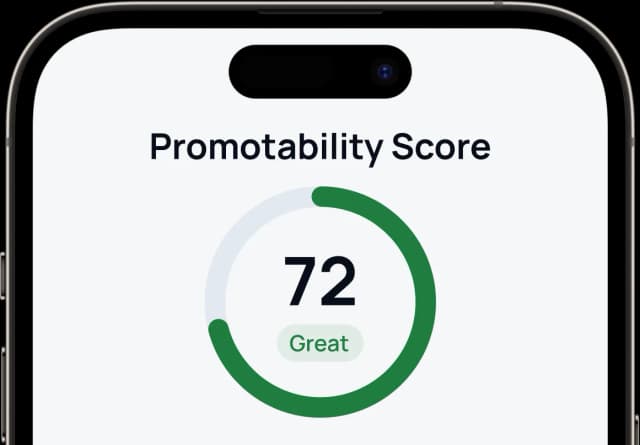
Aiming for your next level at LinkedIn?
Get a personalized promotion plan with AI coaching.

Share this article
Level Overview
| Level | Title | Typical Years | Median TC | Terminal? |
|---|---|---|---|---|
| IC2 | Software Engineer | 1.5–3+ yr | $248K | No |
| IC3 | Senior Software Engineer | 2–4+ yr | $315K | Yes |
| IC4 | Staff Software Engineer | 3–5+ yr | $487K | Yes |
Promotion Cycle
Frequency
Twice yearly
Decision Maker
manager
Manager-driven. Your manager builds your promotion case based on demonstrated impact, scope growth, and peer feedback. The case goes through leadership review for approval. Minimum eligibility is 1 year at your current level.
Key Details
- •Minimum 1 year at level before promotion eligibility
- •Manager-driven process with leadership review and approval
- •Stock refreshers are notably limited — promotions are the primary path to equity growth
- •Even 'Exceeds Expectations' performance ratings don't guarantee stock refreshers
- •After the initial 4-year RSU vest, compensation drops significantly without a promotion or refresher
- •LinkedIn operates its own engineering ladder independently from parent company Microsoft
- •2025 layoffs affected engineering culture and tightened promotion budgets
- •IC3 (Senior) is the most common terminal level — there's no organizational pressure to advance beyond it
Are You Ready for Your Next Level at LinkedIn?
Get a personalized score and find out what's holding you back.
8 questions · about 2 minutes · free score
1 of 8
If your manager had to make the case for your promotion tomorrow, could they — without calling you first?
IC2 — Software Engineer
Mid-Level / New GradEntry point for most hires including new grads. You work on features within a defined scope, contribute to team projects, and build expertise in LinkedIn's tech stack. Your manager and senior engineers break down larger problems, and you own the implementation.
Typical Time at Level
1.5–3+ years (typical: ~3 years)
Total Compensation (US)
$239K–$302K (median: $248K)
Source: Levels.fyi
Why Engineers Get Stuck Here
- •Not taking ownership of features end-to-end — still waiting for someone to scope every task
- •Weak design contributions — implementing solutions without understanding the trade-offs behind them
- •Not building codebase knowledge beyond your immediate feature area
- •Limited visibility — doing good work but not surfacing it in 1:1s or team standups
- •Not mentoring or supporting other IC2 engineers on the team
IC3 — Senior Software Engineer
SeniorTeam-level scope and technical leadership. You own medium-to-large projects, author design docs, mentor IC2 engineers, and operate with minimal direction. Cross-team awareness is expected — you understand how your team's systems interact with adjacent services. This is the most common terminal level at LinkedIn. Many engineers spend their entire career here.
Typical Time at Level
2–4+ years (typical: ~4 years)
Total Compensation (US)
$270K–$367K (median: $315K)
Source: Levels.fyi
Why Engineers Get Stuck Here
- •Impact stays within a single team — Staff requires cross-team influence
- •Solving known problems instead of identifying new ones — not creating scope
- •Doing all the work yourself instead of leading through others and influencing without authority
- •No cross-team design artifacts showing architectural influence beyond your team
- •Not growing other senior engineers — at Staff you're expected to develop IC3 peers
- •Limited stock refreshers mean comp stagnates without promotion — even 'Exceeds' ratings don't guarantee refreshers at LinkedIn
IC4 — Staff Software Engineer
StaffOrganization-wide scope. You set technical direction across multiple teams, drive multi-quarter initiatives, and influence architecture decisions beyond your immediate area. You create scope by identifying problems nobody has named yet and work through others via delegation and influence. Very few ICs reach this level.
Typical Time at Level
3–5+ years (typical: ~5 years)
Total Compensation (US)
$400K–$556K (median: $487K)
Source: Levels.fyi
Why Engineers Get Stuck Here
- •Impact limited to a single team or product area
- •Not influencing technical direction at the organizational level
- •Lacking senior leadership visibility into your work
- •No evidence of growing the engineering organization (recruiting, mentoring, IC3 development)
Additional Context
LinkedIn is a Microsoft subsidiary but operates its own engineering culture, leveling system, and promotion process. The company uses an IC1-IC7 level scale where IC2 is the standard entry point for most hires. LinkedIn's engineering culture has shifted following 2025 layoffs, with employees reporting concerns about reduced refreshers, cultural changes, and tighter promotion budgets. InDay, a monthly company-wide culture and learning day, remains a distinctive LinkedIn perk. The limited stock refresher policy makes promotions especially important for long-term compensation growth.
Keep exploring
Software Engineer ladders at other companies
Other LinkedIn career ladders
Data sourced from Team Blind (verified LinkedIn employees), Levels.fyi, and LinkedIn career pages. Compensation figures from Levels.fyi. Last verified March 2026.