HubSpot Software Engineer Career Ladder
Every level of HubSpot's engineering ladder from Software Engineer to Principal — typical timelines, what changes at each level, why engineers get stuck, and how promotions actually work.
Last updated: March 25, 2026
 CareerClimb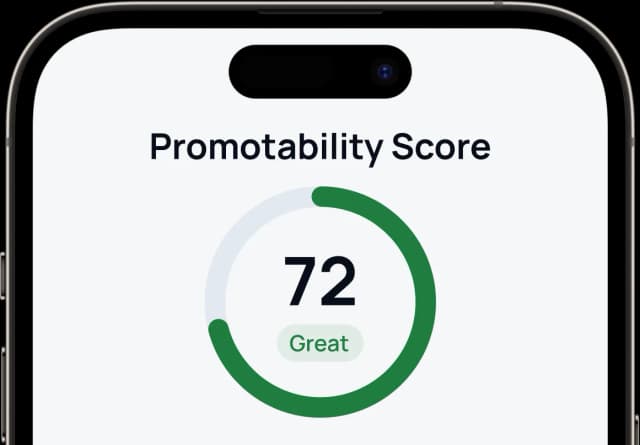
Aiming for your next level at HubSpot?
Get a personalized promotion plan with AI coaching.

Share this article
Level Overview
| Level | Title | Typical Years | Median TC | Terminal? |
|---|---|---|---|---|
| SWE | Software Engineer | 1–3 yr | $170K | No |
| SSE1 | Senior Software Engineer I | 2–4 yr | $243K | No |
| SSE2 | Senior Software Engineer II | 2–3+ yr | $319K | Yes |
| Staff | Staff Software Engineer | 3–4+ yr | $355K | Yes |
| Principal | Principal Software Engineer | 3–5+ yr | $502K | Yes |
Promotion Cycle
Frequency
Semi-annual reviews (no fixed promotion windows)
Decision Maker
manager
Manager-driven process with no formal promotion committee. Engineers signal readiness to their manager, who evaluates whether the engineer is already performing at the next level. Promotions are opportunistic — tied to individual readiness rather than a fixed bi-annual window. Performance is rated on a 1-5 scale across effectiveness, attitude, and leadership dimensions. A rating of 2 can trigger a performance improvement plan.
Key Details
- •No promotion committee — your manager is the primary decision-maker and advocate
- •The bar is 'already doing the job' at the next level, not just meeting current-level expectations
- •Semi-annual performance reviews rate effectiveness, attitude, and leadership on a 1-5 scale
- •No fixed promotion windows — promotions happen when manager and leadership agree on readiness
- •Stock-heavy compensation at senior levels makes promotion timing financially significant
- •Tech Lead track available as an alternative to pure IC advancement after Senior SWE II
- •DRI (Directly Responsible Individual) model means ownership is tracked per project
- •Small team structure (3-4 engineers) means fewer layers between you and leadership visibility
- •Quarterly development cycles replace traditional sprints — commitment is per quarter
- •The HEART values (Humble, Empathetic, Adaptable, Remarkable, Transparent) shape how leadership is evaluated
Are You Ready for Your Next Level at HubSpot?
Get a personalized score and find out what's holding you back.
8 questions · about 2 minutes · free score
1 of 8
If your manager had to make the case for your promotion tomorrow, could they — without calling you first?
SWE — Software Engineer
Entry-Level / Junior Software EngineerEntry point for new graduates and early-career engineers. You write code, fix bugs, and ship features within well-scoped tickets. A senior engineer or tech lead reviews your work and provides technical direction. You learn HubSpot's codebase, quarterly development cycle, and DRI ownership model.
Typical Time at Level
1–3 years (typical: ~2 years)
Total Compensation (US)
$154K–$200K (median: $170K)
Source: Levels.fyi
Why Engineers Get Stuck Here
- •Waiting for tasks to be assigned instead of proactively picking up work and communicating progress
- •Not building relationships outside your immediate team or attending cross-team demos
- •Treating code review feedback as criticism rather than a growth signal — not iterating on the same patterns
- •Avoiding on-call rotations or operational work that builds system understanding
SSE1 — Senior Software Engineer I
Mid-Level / Senior Software EngineerFirst level of real ownership. You handle complex projects, provide technical leadership on your team, and mentor junior engineers. Your manager trusts you to scope and deliver work with minimal direction. You begin influencing technical decisions and contributing to design reviews.
Typical Time at Level
2–4 years (typical: ~3 years)
Total Compensation (US)
$193K–$269K (median: $243K)
Source: Levels.fyi
Why Engineers Get Stuck Here
- •Strong execution within your team but no evidence of cross-team influence or architectural thinking
- •Not mentoring junior engineers or contributing to their development
- •Staying in your comfort zone technically — not pushing into system design or performance-critical work
- •Relying on your manager to create growth opportunities instead of seeking them out
- •Low visibility beyond your immediate team despite strong delivery
SSE2 — Senior Software Engineer II
Senior Software EngineerThe level where most HubSpot engineers settle. You demonstrate exceptional expertise, lead larger systems, and influence technical direction across teams. You make architectural decisions, own complex subsystems, and are the go-to person in your domain. The wide compensation range reflects location variance and stock grant timing.
Typical Time at Level
2–3+ years (typical: ~3 years)
Total Compensation (US)
$229K–$500K (median: $319K)
Source: Levels.fyi
Why Engineers Get Stuck Here
- •Being the go-to expert on your team but not extending that influence to adjacent teams or organization-wide initiatives
- •Not driving technical strategy — reacting to what leadership asks rather than proposing direction
- •Avoiding the leadership dimension of Staff by staying purely hands-on with code
- •Not championing operational excellence, reliability, or developer experience improvements beyond your own area
- •Insufficient visibility with engineering leadership who influence Staff-level decisions
Staff — Staff Software Engineer
Staff Software EngineerYou drive technical strategy across teams and shape engineering roadmaps. Cross-team scope is not a stretch goal — it is the baseline expectation. You mentor senior engineers, lead cross-team initiatives, and influence how HubSpot builds software. Your work is measured by organizational outcomes, not individual output.
Typical Time at Level
3–4+ years (typical: ~4 years)
Total Compensation (US)
$332K–$403K (median: $355K)
Source: Levels.fyi
Why Engineers Get Stuck Here
- •Cross-team impact that stays within your product area without reaching company-wide influence
- •Technical leadership without contributing to hiring, culture, or engineering process improvements
- •Not building relationships with directors and VPs who sponsor Principal nominations
- •Very few Principal positions exist — organizational need limits advancement regardless of individual capability
Principal — Principal Software Engineer
Principal Software EngineerThe highest individual contributor level at HubSpot. You define company-wide technical direction, influence engineering strategy at the executive level, and set standards that shape how the entire engineering organization operates. What a Staff engineer does for a group of teams, you do for the company.
Typical Time at Level
3–5+ years (typical: ~5 years)
Total Compensation (US)
$450K–$550K (median: $502K)
Source: Levels.fyi, limited data
Why Engineers Get Stuck Here
- •This is the terminal IC level — advancement beyond Principal moves into VP-level engineering leadership
Additional Context
HubSpot is a publicly traded B2B SaaS company (NYSE: HUBS) building CRM, marketing, sales, and customer service tools. The engineering organization operates in small autonomous teams of 3-4 engineers using quarterly development cycles. HubSpot's Culture Code (v41, September 2025) emphasizes HEART values: Humble, Empathetic, Adaptable, Remarkable, Transparent. The company offers three work modes — @home (fully remote, 72% of employees), @flex, and @office — with meeting-free Fridays. Engineering performance is assessed across effectiveness, attitude, and leadership using a published rubric.
Keep exploring
Software Engineer ladders at other companies
Other HubSpot career ladders
Data sourced from Levels.fyi (67 submissions, updated March 2026), TeamBlind (verified employee posts), Glassdoor, and HubSpot's published engineering values and performance rubric. Last verified March 2026.