Nvidia Software Engineer Career Ladder
Every level of Nvidia's software engineering ladder from IC1 to IC6 — typical timelines, what changes at each level, why engineers get stuck, and how promotions actually work.
Last updated: March 24, 2026
 CareerClimb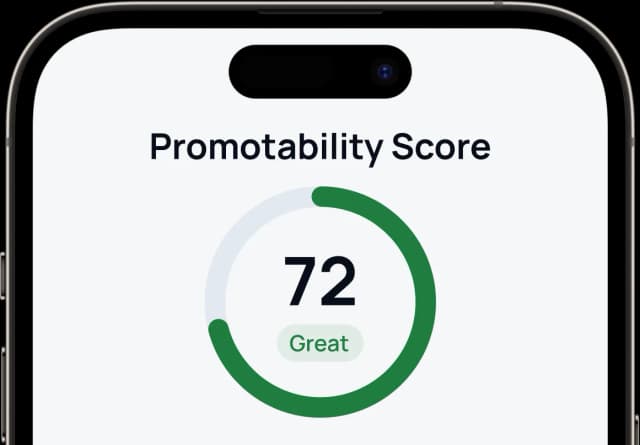
Aiming for your next level at Nvidia?
Get a personalized promotion plan with AI coaching.

Share this article
Level Overview
| Level | Title | Typical Years | Median TC | Terminal? |
|---|---|---|---|---|
| IC1 | Software Engineer I | 1–3 yr | $175K | No |
| IC2 | Software Engineer II | 1–3 yr | $230K | No |
| IC3 | Senior Software Engineer | 2–3+ yr | $316K | Yes |
| IC4 | Staff Software Engineer | 2–4+ yr | $365K | Yes |
| IC5 | Senior Staff Software Engineer | 3–5+ yr | $651K | Yes |
| IC6 | Principal Software Engineer | 4–6+ yr | $551K | Yes |
Promotion Cycle
Frequency
Ongoing (no confirmed fixed cycles)
Decision Maker
manager
Manager-driven process where promotions happen based on demonstrated readiness rather than fixed calendar windows. Your manager evaluates whether you've performed consistently at the next level for approximately 6-12 months and advocates for your promotion with leadership.
Key Details
- •Manager-driven — your manager is the primary advocate and evaluator for promotion
- •Sustained performance required — you must demonstrate next-level work for 6-12 months before promotion
- •Impact-based, not tenure-based — shipping features and adding measurable value matter more than years at a level
- •No fixed promotion cycles confirmed publicly — promotions happen based on readiness
- •Networking with decision-makers beyond your direct manager is critical for senior-level promotions
- •Rushing for promotion before you're ready can hurt your long-term trajectory
- •RSU grants are the primary compensation differentiator, vesting on a 40/30/20/10 schedule over 4 years
- •Business and team needs can override individual readiness — even qualified engineers may need to wait
- •IC3 (Senior) is widely considered a terminal level — many engineers stay here long-term
Are You Ready for Your Next Level at Nvidia?
Get a personalized score and find out what's holding you back.
8 questions · about 2 minutes · free score
1 of 8
If your manager had to make the case for your promotion tomorrow, could they — without calling you first?
IC1 — Software Engineer I
Entry-Level / New GradEntry point for new grads. You execute well-defined tasks, learn Nvidia's codebase and GPU-centric development workflows, and ship code with direct guidance from senior engineers.
Typical Time at Level
1–3 years (typical: ~2 years)
Total Compensation (US)
$150K–$210K (median: $175K)
Source: Levels.fyi
Why Engineers Get Stuck Here
- •Not ramping quickly enough on Nvidia's hardware-software stack
- •Waiting for tasks instead of proactively seeking work
- •Not building enough context beyond your assigned component
- •Struggling with the performance-critical mindset that Nvidia's codebase demands
IC2 — Software Engineer II
Early CareerYou handle more complex tasks independently and contribute to feature development with less guidance. You're expected to understand the broader system context of your work, not just the immediate code changes.
Typical Time at Level
1–3 years (typical: ~2 years)
Total Compensation (US)
$190K–$270K (median: $230K)
Source: Levels.fyi
Why Engineers Get Stuck Here
- •Executing individual tasks well but not owning features end-to-end
- •Not demonstrating the initiative to identify and solve problems proactively
- •Lacking the depth to handle ambiguous problems — still relying on senior engineers for scoping
- •Not contributing to design discussions or code review culture
IC3 — Senior Software Engineer
SeniorYou own features and medium-complexity projects end-to-end. You drive technical decisions within your team, contribute to design docs, and mentor junior engineers. This is where most experienced hires land and many engineers stay long-term.
Typical Time at Level
2–3+ years (typical: ~3 years)
Total Compensation (US)
$260K–$380K (median: $316K)
Source: Levels.fyi
Why Engineers Get Stuck Here
- •Working at IC3 scope only — no amount of excellent IC3 execution gets you to IC4
- •Not owning projects with cross-team impact or architectural significance
- •Missing the design doc artifact — IC4 requires evidence of driving technical decisions
- •Not building relationships across teams — influence beyond your team becomes critical at IC4
- •Letting consistency slip — half-broken code or quality issues undermine the promotion case
- •Manager doesn't have clear evidence of IC4-scope behavior to advocate
IC4 — Staff Software Engineer
StaffYou lead projects with significant cross-team dependencies and architectural impact. You set technical direction for your area, drive standards that affect how others build, and are expected to influence the team's roadmap — not just execute it.
Typical Time at Level
2–4+ years (typical: ~4 years)
Total Compensation (US)
$310K–$423K (median: $365K)
Source: Levels.fyi
Why Engineers Get Stuck Here
- •Impact limited to your own team when IC5 requires organizational influence
- •Not creating scope — solving assigned problems instead of identifying new ones
- •Doing all the technical work yourself instead of multiplying impact through others
- •No evidence of shaping technical direction beyond your immediate area
- •Not developing other Senior engineers — IC5 expects leadership leverage, not just execution
- •Business or team needs not aligning with promotion — readiness isn't always enough
IC5 — Senior Staff Software Engineer
Senior StaffYou set technical direction across multiple teams or an entire engineering area. You operate through influence and delegation, identify problems at the organizational level, and your architectural decisions shape how Nvidia builds software. Very few engineers reach this level.
Typical Time at Level
3–5+ years (typical: ~5 years)
Total Compensation (US)
$450K–$800K (median: $651K)
Source: Levels.fyi (limited data)
Why Engineers Get Stuck Here
- •Scope still tied to a single team's roadmap instead of spanning the organization
- •Not recognized as a technical authority beyond your immediate area
- •Doing Staff-level execution at higher volume instead of qualitatively different work
- •Limited visibility with senior leadership — at this level your work needs executive awareness
IC6 — Principal Software Engineer
PrincipalYou define technical strategy at the organization or company level. You work on problems that affect Nvidia's core products and platform, operating with significant autonomy and influencing the direction of entire engineering organizations. Extremely rare.
Typical Time at Level
4–6+ years (typical: ~6 years)
Total Compensation (US)
$450K–$700K (median: $551K)
Source: Levels.fyi (limited data)
Why Engineers Get Stuck Here
- •Requires sustained company-wide impact over multiple years
- •Must be recognized as a domain authority both internally and externally
- •Extremely few positions at this level — depends on organizational need, not just performance
Additional Context
Nvidia is the dominant GPU and AI accelerator company, with software engineering roles spanning CUDA, drivers, AI frameworks, cloud platforms, and autonomous systems. The engineering culture is deeply performance-oriented — code that runs on GPUs needs to be fast, and this hardware-aware mindset permeates the software org. Nvidia's stock performance has made RSU grants the dominant compensation component, especially at IC4+. The company's rapid growth in AI has created high demand for engineers but also intense competition for senior-level scope. Promotion is manager-driven and impact-based, with no publicly confirmed fixed review cycles.
Keep exploring
Software Engineer ladders at other companies
Data sourced from Levels.fyi (compensation data, updated March 2026), Team Blind (verified Nvidia employee posts on leveling and promotions), Reddit (engineering culture discussions), and H-1B salary filings. Last verified March 2026.