JPMorgan Chase Software Engineer Career Ladder
Every level of JPMorgan's software engineering ladder from Analyst to Executive Director — typical timelines, what changes at each level, why engineers get stuck, and how promotions work.
Last updated: March 24, 2026
 CareerClimb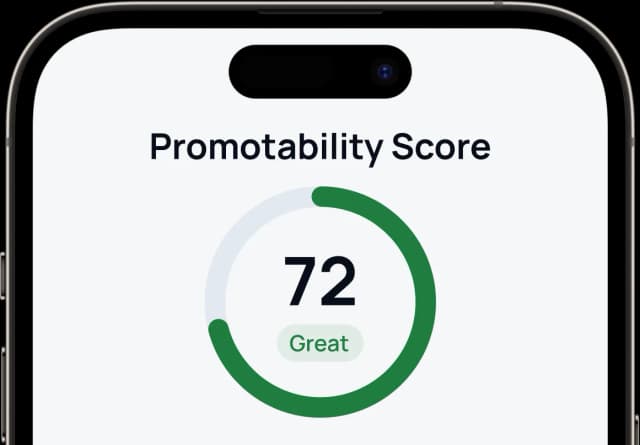
Aiming for your next level at JPMorgan Chase?
Get a personalized promotion plan with AI coaching.

Share this article
Level Overview
| Level | Title | Typical Years | Median TC | Terminal? |
|---|---|---|---|---|
| Analyst | Software Engineer I (Analyst) | 1–3 yr | $109K | No |
| Associate | Software Engineer II (Associate) | 1–4 yr | $138K | No |
| Senior Associate | Senior Software Engineer (Senior Associate) | 2–4+ yr | $157K | Yes |
| VP | Lead Software Engineer (Vice President) | 3–5+ yr | $210K | Yes |
| ED | Principal Software Engineer (Executive Director) | 4–6+ yr | $280K | Yes |
Promotion Cycle
Frequency
Annually (December review cycle)
Decision Maker
hybrid
Manager-driven with annual calibration. Objectives are set early in the year, performance is tracked throughout, and promotion decisions are made during the December review cycle. Your manager evaluates your performance and advocates for your promotion during calibration with leadership.
Key Details
- •Annual review cycle culminating in December promotion decisions
- •Objectives set early in the year — your work is evaluated against these throughout
- •Manager-driven advocacy with leadership calibration
- •Performance-based, not purely tenure-based — though time at level is a factor
- •Two-year Software Engineer Program (SEP) for new grads provides structured entry and accelerated advancement
- •Corporate titles (Analyst, Associate, VP, ED, MD) apply to ALL employees — these are the firm-wide hierarchy
- •External hires often enter at VP (603) level with significant experience
- •The 602-to-603 (Senior Associate to VP) jump is the biggest behavioral shift — from IC to technical leader
- •Stock compensation is minimal until VP level — bonuses are the primary variable pay component
- •Regulatory and compliance awareness becomes increasingly important at VP and above
Are You Ready for Your Next Level at JPMorgan Chase?
Get a personalized score and find out what's holding you back.
8 questions · about 2 minutes · free score
1 of 8
If your manager had to make the case for your promotion tomorrow, could they — without calling you first?
Analyst — Software Engineer I (Analyst)
Entry-Level / New GradEntry point for new grads, often through JPMorgan's two-year Software Engineer Program (SEP). You learn the firm's systems, write production code under guidance, and build foundational skills in the financial technology stack.
Typical Time at Level
1–3 years (typical: ~2 years)
Total Compensation (US)
$95K–$125K (median: $109K)
Source: Levels.fyi
Why Engineers Get Stuck Here
- •Not demonstrating initiative beyond assigned tasks during the SEP program
- •Struggling with the firm's complex legacy and modern tech stack simultaneously
- •Not building relationships with senior engineers who influence advancement decisions
- •Underperforming in the SEP — strong performers promote to Associate, others may not advance
Associate — Software Engineer II (Associate)
Early CareerPost-SEP level or entry point for experienced hires with 2-4 years. You work more independently on features, contribute to design discussions, and take ownership of components. The transition from structured program to self-directed work happens here.
Typical Time at Level
1–4 years (typical: ~2 years)
Total Compensation (US)
$120K–$155K (median: $138K)
Source: Levels.fyi
Why Engineers Get Stuck Here
- •Still relying on heavy guidance instead of driving work independently
- •Not expanding technical scope beyond your immediate component
- •Lacking the design thinking that Senior Associate work requires
- •Not demonstrating impact on team delivery or business outcomes
Senior Associate — Senior Software Engineer (Senior Associate)
Mid-Level / SeniorYou own features and medium-complexity projects end-to-end. You drive technical decisions within your team, mentor junior engineers, and are expected to understand the broader system architecture. This is where most experienced individual contributors settle. Corporate title: Senior Associate (602).
Typical Time at Level
2–4+ years (typical: ~4 years)
Total Compensation (US)
$140K–$180K (median: $157K)
Source: Levels.fyi
Why Engineers Get Stuck Here
- •Strong individual contributor but not demonstrating team leadership or architectural thinking
- •Not aligning work with business priorities — the VP level requires understanding the business context
- •Missing the strategic innovation signal — VP candidates show they can drive improvements, not just execute
- •Not building visibility beyond the immediate team — promotion to VP requires broader recognition
- •Insufficient demonstration of technical excellence beyond day-to-day coding
- •Not mentoring or growing junior engineers — leadership evidence matters at the next level
VP — Lead Software Engineer (Vice President)
Lead / Senior LeadMajor transition from individual contributor to technical leader. You lead teams, design complex systems, make architectural decisions, and align technology with business objectives. This is the first level with meaningful stock compensation. Corporate title: Vice President (603).
Typical Time at Level
3–5+ years (typical: ~5 years)
Total Compensation (US)
$185K–$260K (median: $210K)
Source: Levels.fyi
Why Engineers Get Stuck Here
- •Impact limited to a single team when ED requires cross-team strategic influence
- •Not driving innovation — ED candidates create new capabilities, not just maintain existing ones
- •Lacking vendor management and large-scale project oversight experience
- •Not connecting technology decisions to regulatory compliance and business strategy
- •Limited visibility with senior leadership outside your direct reporting line
ED — Principal Software Engineer (Executive Director)
Principal / ExecutiveStrategic execution at scale. You oversee large programs, manage vendor relationships, ensure regulatory compliance, and align technology strategy with firm-wide business objectives. You operate at the intersection of technology and business. Corporate title: Executive Director (604).
Typical Time at Level
4–6+ years (typical: ~6 years)
Total Compensation (US)
$240K–$350K (median: $280K)
Source: Levels.fyi (estimated)
Why Engineers Get Stuck Here
- •Requires sustained cross-organizational impact over multiple years
- •Must demonstrate strategic vision, not just tactical execution
- •Extremely competitive — few positions at this level in any technology organization
Additional Context
JPMorgan Chase is the largest bank in the United States and one of the largest technology employers in finance, with over 50,000 technologists. The firm uses a dual-title system: corporate titles (Analyst, Associate, VP, ED, MD) that apply firm-wide, and job-specific titles (Software Engineer I/II/III, Lead, Senior Lead) within technology. The VP title at JPMorgan is not equivalent to VP at a tech company — it's a mid-senior corporate title that many experienced engineers hold. Compensation is lower than FAANG at most levels but includes stable bonuses and strong benefits. The technology organization spans trading systems, risk management, consumer banking, and cloud infrastructure.
Keep exploring
Software Engineer ladders at other companies
Other JPMorgan Chase career ladders
Data sourced from Levels.fyi (compensation data), Team Blind (verified JPMorgan technology employee posts), Reddit, and JPMorgan careers site (SEP program details). Compensation reflects US positions. Last verified March 2026.