Google Internship to Full-Time: What It Actually Takes


 CareerClimb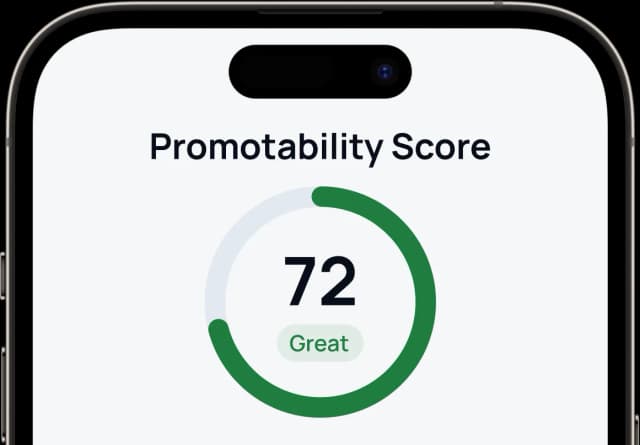
Interning at Google?
Get a week-by-week plan to build the strongest case for a return offer.

Share this article
Google's SWE internship is one of the most competitive programs in tech. Getting in is hard. Converting to full-time is a separate challenge, and the two require different skills.
Roughly 56% of Google SWE interns receive a return offer, according to Levels.fyi data. That's better than a coin flip, but it means nearly half the intern class leaves without one. The gap between the two groups comes down to a few specific things that Google's evaluation process rewards, and a few common mistakes that sink otherwise talented interns.
How the program is structured
Google runs two main intern tracks for engineers. STEP (Student Training in Engineering Program) targets first- and second-year undergrads. It's designed as a pipeline: do well in STEP, and you'll likely get a SWE internship offer for the following summer. Many engineers who convert to full-time at Google followed the STEP-to-SWE-to-full-time path.
The SWE internship is the more competitive track, targeting juniors, seniors, and graduate students. Interns write production code, design prototypes, and work on real projects alongside full-time engineers. The onboarding includes mentorship pairing, team workshops, and sessions with senior engineering leaders.
Your project is assigned based on team needs, not your preferences. Some interns get projects that are clearly scoped and well-defined. Others get something more ambiguous. Both scenarios are evaluation opportunities, just different ones. A well-defined project tests whether you can execute. An ambiguous project tests whether you can define the work yourself. The fundamentals of converting an internship into a full-time offer apply across companies, but Google's structure adds a few wrinkles worth understanding.
What the evaluation actually looks for
Google evaluates interns on four dimensions, though they won't always spell them out this clearly.
Impact. Did your work matter? This doesn't mean you shipped a feature that made the front page of Hacker News. It means your project moved the needle on something the team cared about. If your project saved 200 engineering hours per quarter, that's impact. If your project added a button nobody uses, that's not.
Initiative. Did you wait for instructions, or did you find things to do? The interns who convert are the ones who identified inefficiencies, proposed improvements, or picked up work that nobody assigned them. One common pattern from former Google interns: during downtime between code reviews, they'd read through open bugs and start investigating. Even if they didn't fix anything, the act of looking showed their host they were thinking beyond their own project.
Managing up. This is Google's way of describing whether you made your host's life easier or harder. A host is a full-time engineer managing their own work while supervising you. If they have to constantly check on your progress, remind you about deadlines, or untangle your code, you're adding to their workload. If you send regular updates, ask clear questions, and unblock yourself quickly, you're reducing it. Hosts remember which kind of intern you were when they write their evaluation.
Ownership. Did you treat your project like something you owned, or something you were assigned? Ownership shows up in small ways: writing documentation nobody asked for, fixing a bug you found while working on something else, suggesting improvements to your own design after getting feedback. The interns who get "greatly exceeds" ratings are the ones whose hosts say "they worked like a full-time engineer." These are exactly the signals intern managers weigh when deciding return offers.
Host matching: the part most interns don't understand
If your internship goes well, you don't automatically get placed back on the same team for full-time. Instead, you enter a host matching process. This is similar to the team matching that happens for full-time offers, but with one big advantage: you don't have to re-interview if your intern reviews were strong.
The host matching process works like this: teams with open headcount post projects. You get matched with teams based on mutual interest and fit. You'll have team match calls, which are conversations (not interviews) where you and the potential host decide if it's a good fit.
A few things to know about this process:
-
Headcount matters more than your performance. Even interns with excellent reviews can wait months for a match if teams don't have open positions. Some former interns report waiting from January to August for their full-time offer to finalize.
-
Your intern host can help. If your host wants you on their team, they can request you directly. This bypasses the matching queue and is the fastest path to a full-time offer. Build the relationship with your host accordingly.
-
Recruiter responsiveness varies. Some recruiters are proactive about moving your match along. Others go quiet for weeks. If you haven't heard anything in a month, follow up. Be polite, but persistent.
-
The eligibility window has limits. Your return offer eligibility may expire after a certain period (sometimes 12-18 months). If matching takes too long, you risk losing your spot. Ask your recruiter about your specific timeline.
The timeline is slower than you expect
At most companies, return offer decisions happen in the last weeks of the internship. At Google, the process often takes longer. Your intern evaluation is completed shortly after your internship ends. But the full-time offer, including team matching and compensation details, can take months to materialize.
This is normal. It's also stressful. Plan for it by:
- Keeping your job search active even if your internship went well. Having a competing offer gives you leverage if Google's timeline drags.
- Staying in touch with your host and recruiter. A brief, professional email once a month is appropriate.
- Not making financial commitments based on a Google offer you haven't received in writing.
What sinks Google interns
The interns who don't convert at Google usually hit one of these patterns.
Treating the internship like a class project. You're given a project. You work on it solo. You present it at the end. That's school. At Google, the project is the starting point, not the entire job. The evaluation includes how you collaborate with the team, how you handle ambiguity, and whether you contribute beyond your project scope.
Not building a relationship with your host. Your host writes your evaluation. If they barely know you beyond your code reviews, their writeup will be generic, and generic writeups don't get return offers in competitive cohorts. Treat your host as a colleague, not a supervisor. Ask about their work. Understand their priorities. Make it easy for them to advocate for you.
Waiting too long to ask for feedback. Google interns who ask for feedback in week two and adjust their approach by week four are playing a different game than interns who get their first real feedback at the midpoint review. By then, half the evaluation window is closed. Ask early: "What would make this internship a strong performance in your eyes?"
Assuming good code is enough. Your code quality matters. But Google evaluates interns holistically. An intern who writes excellent code but never speaks in team meetings, never asks questions, and never helps another intern is leaving points on the table. The evaluation is about whether the team wants you as a colleague, not just as a coder.
The path from intern to Googler
The interns who convert successfully share a pattern. They treat the internship as a 12-week audition for a full-time role, not as a summer job. They build relationships with their host and teammates. They ship clean, working code and document it well. They ask for feedback early enough to act on it. And they explicitly tell their host and recruiter that they want to come back.
If you do all of that and still don't get an offer, it's almost always headcount. Google's hiring fluctuates quarter to quarter, and intern offers are subject to the same constraints as external hiring. A "no" from Google due to headcount is not a referendum on your abilities. It's a budget decision. Keep the relationships alive. Engineers who didn't convert as interns have gotten called back when positions opened months later.