How to Work with a Toxic Coworker

 CareerClimb
Toxic coworker?
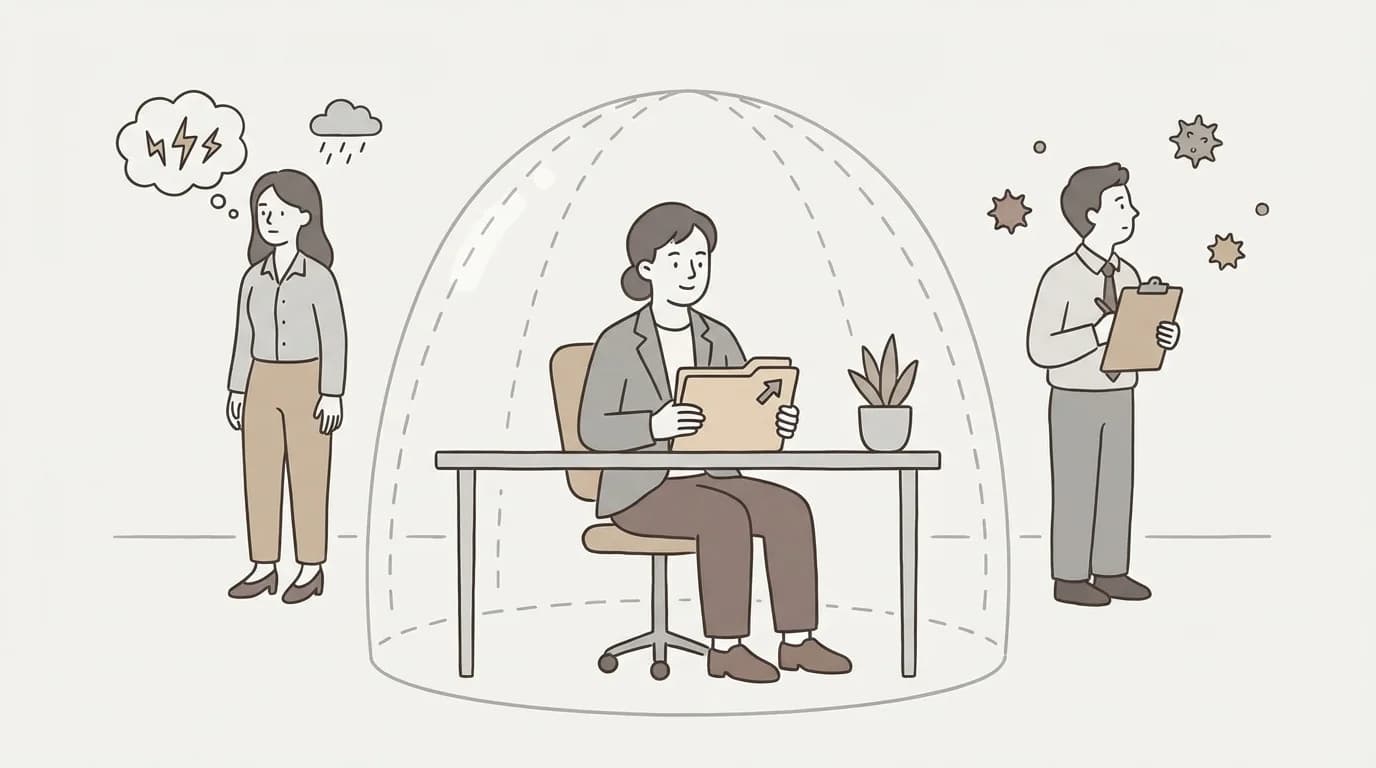
Get a plan to protect yourself and your work — without escalating.

Share this article
You've started tracking what they say in meetings. You're Cc'ing yourself on emails you wouldn't have thought twice about six months ago. You replay conversations trying to figure out if you're overreacting.
You're probably not.
Working alongside someone who undermines you, takes credit, shifts blame, or manipulates mutual colleagues is one of the more disorienting workplace experiences you'll have. Not because the behavior is sophisticated. Because it's hard to prove. And until you can prove it, you still have to show up on Monday and get things done.
This isn't about whether to report them. Or whether to quit. It's about what to do right now, while the situation still exists.
The trap most people fall into first
The instinct, when you realize someone is actively working against you, is to respond. You want to set the record straight. You want your colleagues to know what's actually happening. You want to go to your manager and explain.
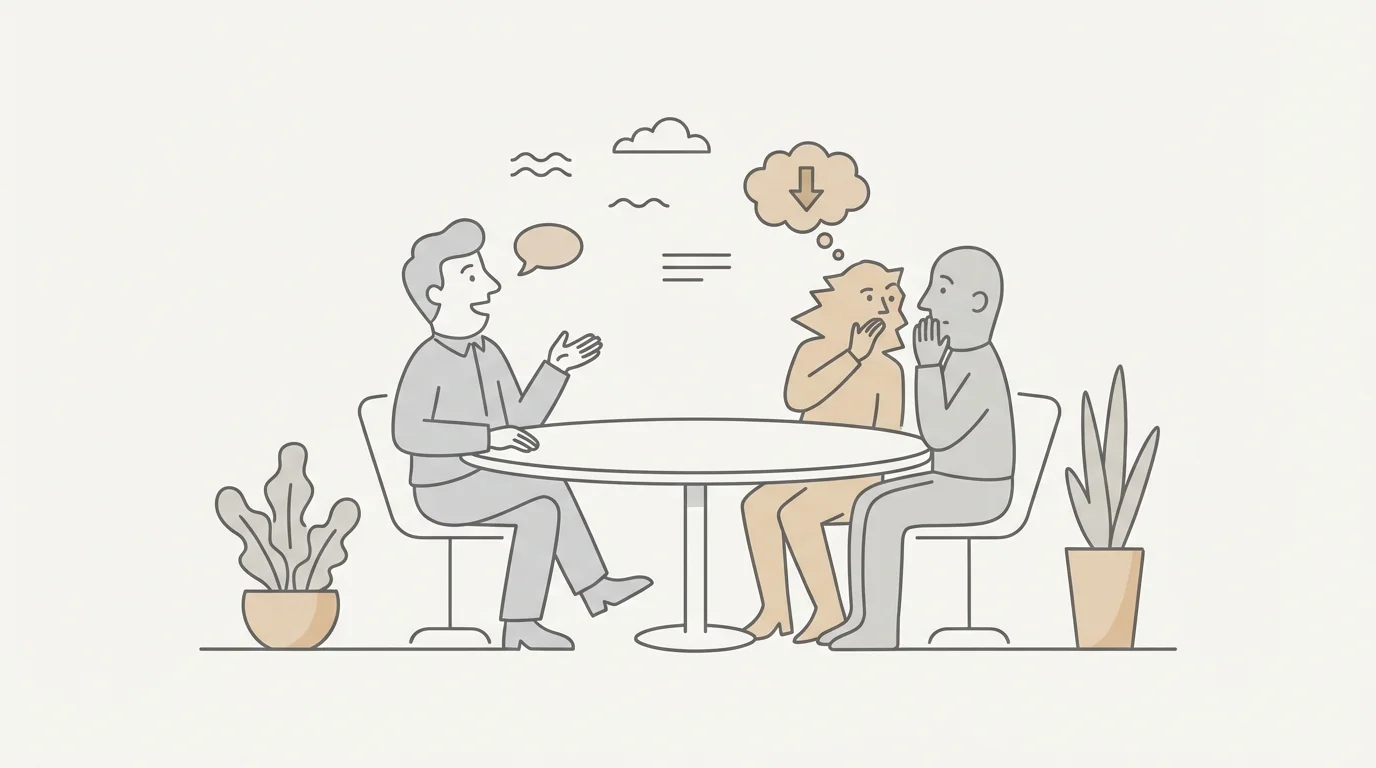
Andersson and Pearson (1999) found that incivility in the workplace creates a spiral: small slights generate counter-slights, which escalate. The more both parties engage, the harder it becomes for observers to tell who started it. Skilled toxic coworkers understand this. Their goal isn't always to win each individual encounter. It's to make you look unstable in the process of responding.
The coldest part: your reputation is being built in real time, based on how you behave under pressure. Whoever appears calmer and more reliable is winning that battle, regardless of who is right.
Badmouthing them to colleagues, reacting emotionally in meetings, or escalating to your manager before you have documented patterns: these moves usually backfire. They shift the story from "difficult coworker" to "two people who can't get along," and you lose the credibility advantage you need.
Why documentation is the foundation
Before you can protect anything, it helps to understand why credit theft and blame-shifting are so persistent as behaviors.
Ross and Sicoly (1979) found that people consistently overestimate their own contributions to shared work. Not because they're lying. Because their own contributions are more cognitively available. Your memory of what you did is more vivid than your memory of what others did. In five separate experiments across married couples, sports teams, and discussion groups, the pattern held: everyone believed they contributed more than their partners thought they did.
This means that in any collaborative project, both you and the coworker who takes credit may genuinely believe they deserve it. The coworker presenting your idea in a meeting may not even think of it as theft.
This doesn't make the behavior acceptable. It makes it structural. Structural problems need structural solutions. Written records do what memory cannot: they create a timestamped, objective account of what was said and when. You're not building a legal dossier. You're creating an accurate record for your own protection.
What this looks like practically:
- Summarize your work in writing before briefing anyone. A quick Slack message or doc comment before a sync ("just documenting what I'm building before we connect") creates a timestamp that establishes your ownership before any meeting happens.
- Agree on accountability in writing before collaborative work starts. A one-sentence Jira comment or doc note ("to confirm what we discussed, I own X and you own Y") eliminates most post-failure blame-shifting before it starts.
- After key meetings, send a brief summary. "Documenting the direction we landed on today..." re-establishes your role in decisions even if the meeting itself got muddled.
None of this requires accusing anyone of anything. It's information hygiene.
Protecting your work when someone steals credit
If a coworker has a pattern of taking credit, the most effective counter is making your contributions visible before the theft can happen.
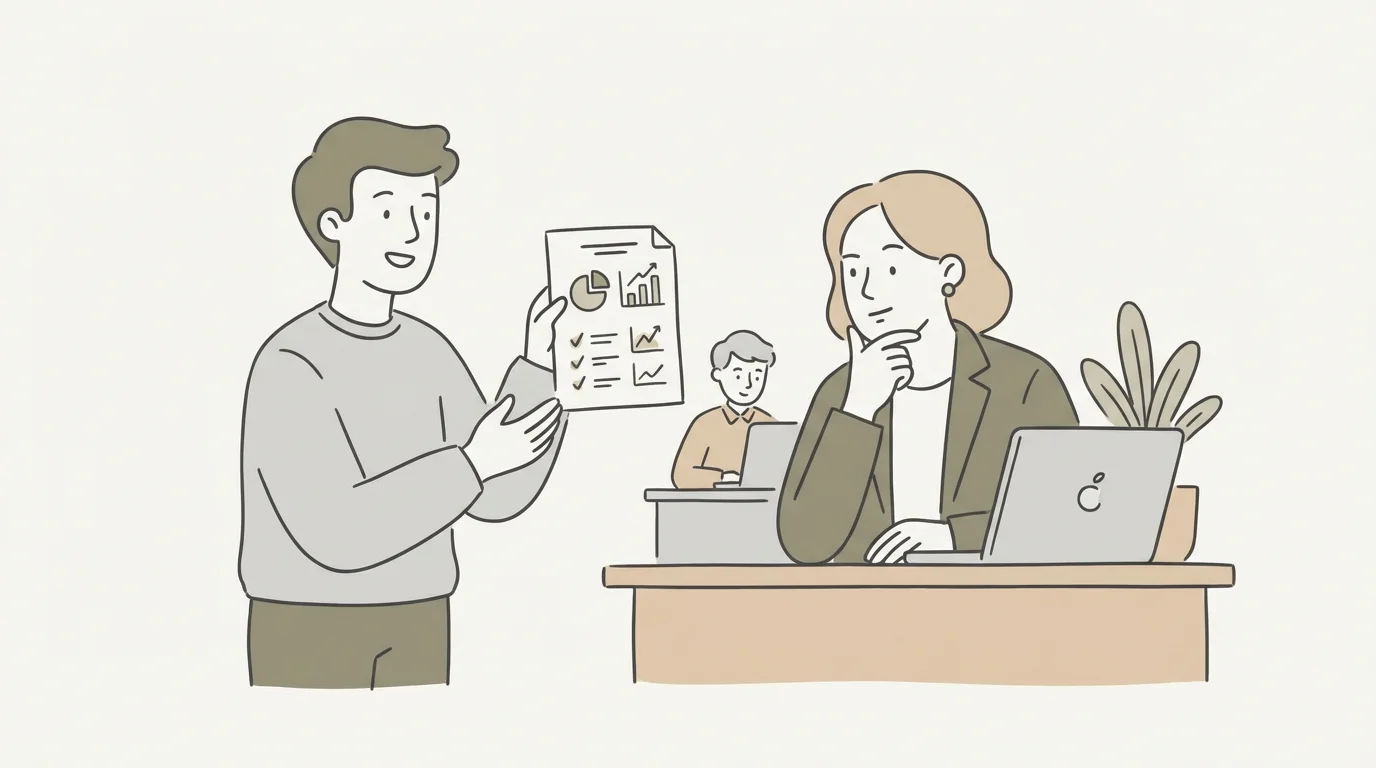
Share a pre-read before major meetings: your contribution, key data points, and proposed next steps. Include your manager. This isn't self-promotion. It's giving the people who evaluate you accurate information before someone else shapes the narrative.
Never brief a coworker who has shown this pattern on something you haven't shared with the team yet. A private brief gives them a window to present your work as theirs before you've established shared context with anyone else. Share it publicly first, in writing.
If a coworker presents your idea and you're in the room, reclaim credit immediately: "That's the approach I proposed, glad it resonated; let me add some context on the implementation." Calm. Not accusatory. Do it in the moment. Harvard Business Review research consistently shows that reclaiming credit after the meeting is far harder. It reads as grievance rather than clarification.
When someone taking credit is a persistent pattern rather than a one-off, there's a broader playbook worth knowing. The full guide to what to do when someone takes credit for your work covers escalation paths and how to handle the conversation with your manager.
Shared projects: assign accountability before things go wrong
Blame-shifting happens most easily when accountability was never clear in the first place. The fix is boring but effective: establish who owns what before the project starts, in writing, in a place people can see.
Before any significant collaboration, write out the scope split. "I'm taking ownership of A and B. You're covering C." Put it in the shared doc, the Jira ticket, the Confluence page. When something later goes wrong and the blame comes your way, "my understanding from our project plan was that X was in your scope, happy to pull it up" is a complete sentence.
Regular status updates to your manager matter for the same reason. If your manager has been hearing brief weekly updates about what's in your lane, they already have a baseline. When something surfaces unexpectedly, you're not starting from zero.
One tactical note: be specific in writing, not accusatory. "Here's where things stand on my end" is a status update. "Here's proof they dropped the ball" is a grievance. The first builds a track record; the second creates conflict. If the same person also contacts you outside work hours or creates pressure to be constantly available, that's a related boundary problem. What to do when your boss texts at 11pm covers how to address that pattern separately.
The social layer: mutual colleagues and your reputation
A 2023 study on witnessing workplace mistreatment, published in ScienceDirect, found that in over 70% of cases, upper management took no action or made the situation worse. Bystanders often attribute the mistreatment to the target. If you seem like the problem, people tend to assume you might be.
What you do in front of colleagues carries as much weight as what you document in private.
Don't talk about the coworker to mutual colleagues, even when it's justified. Third-party observers are running a constant credibility calculation, and the more vocal party tends to come out looking worse. Your toxic coworker may already be doing this to you. Don't hand them the same tool.
Build relationships independently and quietly. Consistent, low-drama, high-output presence with your teammates builds its own reputation over time. People notice who they can rely on.
Look for the colleague who seems uncomfortable when things get unfair: the person who glances away during a moment that felt wrong, or checks in after a rough meeting. They've noticed the pattern. You don't need to recruit them. Just let them know you're aware of the dynamic without making it their problem to solve.
These social dynamics are especially treacherous when you're still finding your footing on a team. If you've recently joined, recognizing who to trust in your first week helps you build the right relationships before difficult dynamics like this take hold.
Why your manager often doesn't see it
A Harvard Business School study by Housman and Minor (2015), drawing on data from 50,000+ workers across 11 firms, found that toxic employees are often individually productive on measurable output metrics. That's the core management problem: managers see strong individual output while the human damage (morale, other people's productivity, team dynamics) is diffuse and hard to attribute.
If you go to your manager without documentation and without a clear pattern, you're likely to hear something like "that's just how they are" or "try to work it out directly." That response usually isn't indifference. It's an information gap. Your manager doesn't have the evidence to act on what they can't see. This is the same reason good work often goes unrecognized in the absence of explicit communication. Managers operate on incomplete information, and that gap is yours to close.
This is why the paper trail matters not just as protection but as communication. When the time comes to raise the pattern formally, the conversation changes significantly when you can say "here are three examples from the past month with dates and documentation" rather than "this is how it feels."
The long game
The pattern that shows up most consistently in firsthand accounts (Reddit threads, documented workplace disputes, workplace psychology research) is the same: the person who comes out ahead kept doing excellent work, kept documenting, stayed calm in front of witnesses, and waited.
Toxic coworkers who take credit, shift blame, or claim ownership over others' contributions eventually have to perform. When they're asked to demonstrate competence they've been claiming from others, that moment tends to be public. You can't manufacture it. But you can make sure that when it arrives, your track record is clean and your documentation is ready.
That's what operating effectively looks like while the situation still exists: not winning every individual encounter, but remaining credible and documented when it counts. If you're also wondering why strong performance isn't translating into career progress more broadly, good work alone rarely explains the gap.
If your track record is fuzzy because you never got around to logging your work, that problem compounds when someone else is shaping the narrative. CareerClimb captures your wins throughout the year, automatically, so when it matters, you have a clear, documented case that reflects what you actually did. Download CareerClimb