How to Get Promoted from Analyst to Associate Software Engineer at Goldman Sachs
 CareerClimb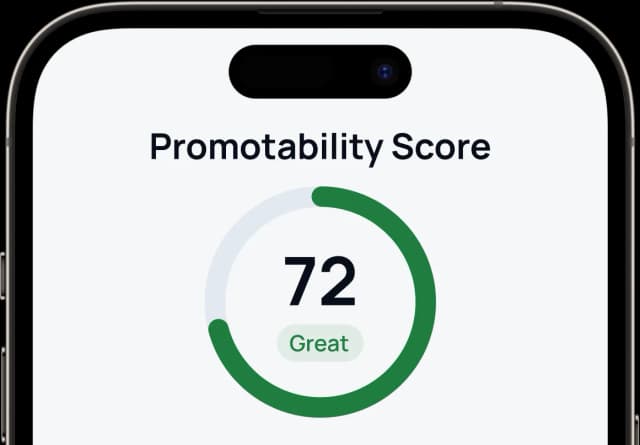
Building your promotion case?
Get AI coaching on what to document and how to present it.

Share this article
You joined Goldman Sachs as an Analyst in engineering. You've been writing production code, learning the firm's technology platform, and your mentor says you're doing well. But the Associate title is approaching, and you're not sure what specifically will make the difference between a smooth promotion and getting passed over.
The Analyst-to-Associate jump at Goldman Sachs is the first major career milestone on the technology ladder. Here's what the promotion actually requires and how to build a case that survives evaluation.
How promotions work for Goldman Sachs technology
Goldman Sachs uses its standard banking title hierarchy for all employees, including technology: Analyst → Associate → Vice President → Managing Director. There are no tech-specific titles like Staff or Principal Engineer. Your engineering level is defined by these firm-wide titles.
Promotions follow an annual review cycle based on performance. The evaluation considers technical impact, project contribution, and business awareness. Goldman pairs junior engineers with senior mentors through an apprenticeship model — this relationship matters for both development and promotion advocacy.
The Analyst-to-Associate promotion typically happens after 2-3 years of strong performance. This isn't a guaranteed timeline — it depends on demonstrated growth, impact, and the evaluation of your Analyst cohort.
What Associate looks like at Goldman Sachs engineering
| Dimension | Analyst | Associate |
|---|---|---|
| Scope | Individual tasks and components | Features with increasing independence |
| Autonomy | Works under mentor guidance | Drives work with less oversight |
| Design | Learns the firm's architecture | Contributes to system design discussions |
| Business | Focuses on technical execution | Understands business context of technical work |
| Impact | Delivers assigned work | Owns outcomes that affect the team |
| Mentorship | Receives mentorship | Begins mentoring incoming Analysts |
The core shift: Analysts learn and execute. Associates own and contribute independently, understanding not just the code but why it matters.
Building your Associate case
Excel within the apprenticeship model
Goldman's apprenticeship model pairs you with senior engineers who guide your development. This relationship is your most important asset. Your mentor sees your day-to-day work, knows your growth trajectory, and can advocate for you during evaluations.
Don't treat mentorship passively. Bring specific questions about system design, ask for feedback on your code, and seek guidance on how to expand your scope. The engineers who grow fastest are the ones who extract the most value from the apprenticeship.
Demonstrate increasing independence
The clearest signal for Associate readiness is that you need less guidance over time. Early on, your mentor scopes your work and reviews it closely. By the time you're ready for Associate, you should be driving features with minimal oversight.
Track this progression deliberately. Early in the year: "Implemented the data pipeline component as designed." By year-end: "Identified a performance bottleneck in the reconciliation service, designed the solution, and shipped it with minimal review needed."
Build business awareness
Goldman Sachs is a financial services firm. Your technical work exists to serve trading, risk management, asset management, or other business functions. Associates are expected to understand this connection.
You don't need to become a trader. But understanding what your system does for the business, who depends on it, and what happens when it fails demonstrates the maturity Goldman looks for in Associates.
Outperform your cohort
Goldman evaluates Analysts against their peer cohort. Strong individual performance matters, but relative performance within the group matters too. This doesn't mean competing with peers — it means standing out through the quality and scope of your contributions.
The engineers who stand out are the ones who take on work beyond their comfort zone, deliver reliably, and contribute to the team beyond their assigned tasks.
Use Goldman Sachs University
Goldman provides professional development through Goldman Sachs University. Take advantage of these programs — they're designed to accelerate growth, and participation signals investment in your career at the firm.
Common mistakes
Staying in the comfort zone. You keep doing the same type of work you've been doing since you joined. Your technical skills plateau. Associates need to show growth — handling more complex problems, working across more of the system, and contributing to design discussions.
Passive mentorship engagement. Your mentor checks in, you say everything is fine, and the conversation ends. The apprenticeship model only works if you drive it. If you're not actively learning from senior engineers, you're leaving your most powerful development tool unused.
Ignoring the business side. You write excellent code without understanding why the system exists. When evaluators ask about your impact, you can describe the technical changes but not the business outcomes. At Goldman, business awareness separates promoted Analysts from those who plateau.
Not building relationships beyond your immediate mentor. Your mentor is one advocate. But evaluations involve broader input. Build relationships with other senior engineers, contribute to team discussions, and make your work visible to people beyond your direct reporting line.
Timeline and realistic expectations
| Timeline | What it looks like | How common |
|---|---|---|
| 2 years | Strong from the start, rapid ramp-up, clear impact | Standard for strong performers |
| 2-3 years | Solid performance with steady growth | Most common |
| 3+ years | May indicate a gap in scope, business awareness, or relative performance | Less common |
Median total compensation jumps from approximately $123K at Analyst to $159K at Associate, driven by higher base salary and a larger bonus component. Goldman's bonus culture means variable pay becomes more significant as you advance.
Frequently asked questions
How long does it take to go from Analyst to Associate at Goldman Sachs engineering?
Most engineers make the jump after 2-3 years. Strong performers who demonstrate rapid technical growth, increasing independence, and business awareness typically promote at the 2-year mark. The promotion is tied to the annual review cycle, not a fixed timeline.
Is the Analyst title specific to engineering?
No. Analyst is Goldman Sachs' firm-wide entry-level title. Bankers, traders, and engineers all start as Analysts. The title reflects your seniority in the firm's hierarchy, not your function. Your engineering role is defined by your job title (Software Engineer) alongside the corporate title (Analyst).
How does compensation change at Associate?
Total compensation increases roughly 30% from Analyst to Associate. The jump comes from a higher base salary and a more significant bonus. Stock compensation begins to appear but remains a small portion of total pay. The bonus component becomes increasingly important as you advance at Goldman.
CareerClimb helps you build your promotion case week by week. Track your wins, map them to what Goldman Sachs evaluates, and know exactly what evidence you need before the annual review. Download CareerClimb
Are You Ready to Make This Jump?
Get a personalized score and find out what's holding you back.
8 questions · about 2 minutes · free score
1 of 8