How to Switch Teams Without Damaging Your Reputation


 CareerClimb
Thinking about switching teams?
Get coaching on how to move without burning bridges.

Share this article
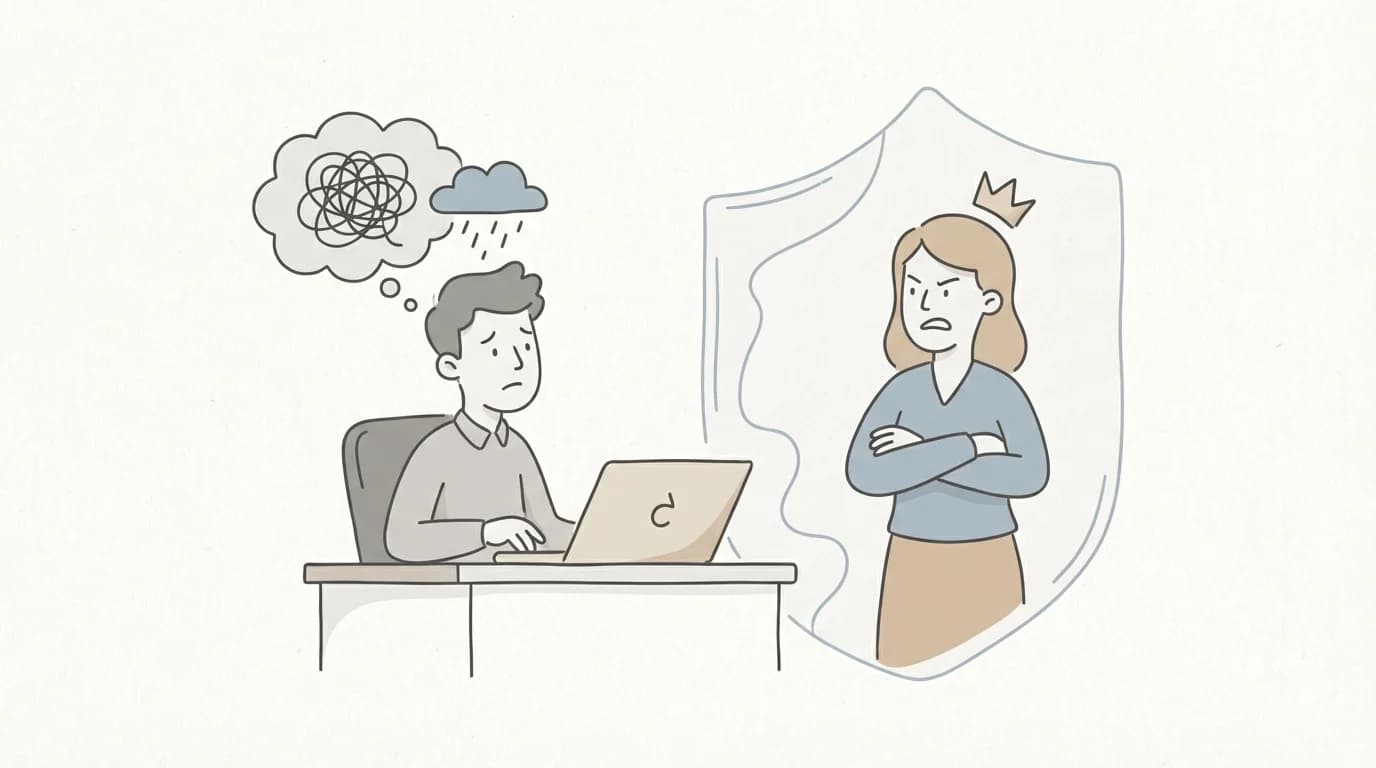
You've been thinking about switching teams for months. Maybe the work stopped being interesting. Maybe the manager relationship isn't working and you've decided to move on instead of waiting for something to change.
Every step between "I want to move" and "I'm on a new team" is loaded with political risk. Tell your manager too early and you spend months in awkward limbo. Tell them too late and they feel blindsided. Handle the transition poorly and your reputation follows you down the hall.
Internal transfers are one of the most underused career moves in tech. LinkedIn's internal mobility data shows that employees who make an internal move are 40% more likely to stay at their company for at least three years. But the execution is where people get burned.
Decide whether this is the right move or an escape
Before you start networking with other teams, be honest about the reason.
Growth-driven moves sound like: "I want to work on distributed systems and my current team doesn't touch that area." These tend to go well because the narrative is clear and your manager can understand it even if they're disappointed.
Escape moves sound like: "I can't stand my manager." Or: "This team is a mess and I want out." These can still be the right call, but they require more careful handling because the real reason is harder to say out loud.
If you're dealing with a manager relationship that's driving the move, it's worth diagnosing whether the friction is fixable before you transfer. What to do when you and your manager don't get along breaks down how to tell the difference between a style mismatch and a personality conflict. If you've already done that work and concluded the move is right, proceed with the steps below.
The distinction matters because growth-driven moves build your reputation. Escape moves, if handled clumsily, can hurt it.
Talk to the receiving team first, your manager second
This is the part most people get wrong. They tell their current manager they're thinking about moving before they have anywhere to go. Now the manager knows you want out, you don't have a destination, and every 1:1 for the next two months feels like a hostage negotiation.
The better sequence:
- Identify the team you want to join. Have informal conversations with engineers on that team. Understand what they're working on, how the team operates, what the manager is like.
- Talk to the receiving manager. Express interest. Ask about open headcount or upcoming needs. You're gauging mutual fit.
- Get a soft signal of interest. You don't need a formal offer. You need the receiving manager to say something like "We'd be interested in having you."
- Then tell your current manager. Now the conversation has a destination. It's not "I want to leave." It's "I've found an opportunity I want to pursue, and I wanted to be transparent with you."
On Team Blind, engineers who've been through this repeatedly give the same advice: tell your current manager only after you have a verbal indication from the new team. Going in with "I'm thinking about maybe exploring other teams" without a concrete direction creates anxiety for both of you.
How to tell your current manager
This conversation determines whether you leave with a strong reputation or a strained one.
What to say:
- "I've developed a strong interest in [specific area], and [team name] has an opportunity that aligns with where I want to take my career. I wanted to tell you directly before anything moves forward."
- "This isn't about being unhappy here. I've learned a lot on this team and I want to make sure the transition is smooth."
What not to say:
- "I'm not growing here." Even if it's true, this reads as an accusation. Your manager hears: "You failed to develop me."
- "The work isn't interesting anymore." This sounds ungrateful. The manager who assigned you that work is sitting right there.
- "I don't get along with [person]." Framing the move as running from someone signals that you handle conflict by leaving. That reputation travels.
The framing that works: toward something, not away from something. Even if the real reason is that you're miserable, the conversation needs to center on what you're moving toward. Your manager may know the full picture. They don't need you to say it out loud.
Schedule a dedicated meeting for this. Don't drop it into a regular 1:1. And avoid Fridays (they'll sit with it all weekend with no way to act).
Time it around the review cycle
Timing a transfer poorly is the fastest way to lose months of promotion progress.
Best timing:
- Right after a review cycle closes. Your current work is documented, your manager has already written their assessment, and you're starting fresh anyway. This is the cleanest possible transition.
- Right after a promotion. You've hit the milestone, the recognition is locked in, and moving to a new team resets your scope at the new level. Team Blind threads consistently describe this as the ideal sequence.
Worst timing:
- Mid-cycle when you have promotion momentum. If your manager is building your case for an upcoming calibration, transferring now throws that away. The new manager has no evidence base to work from.
- During a critical project. Leaving mid-delivery signals to your current team that you prioritized yourself over a commitment. That sticks.
The promotion timeline reality: switching teams resets your promotion clock. Engineers on Team Blind consistently report that internal transfers add 1.5 to 2 review cycles before you're promotion-eligible on the new team. Your new manager needs to see your work firsthand. Previous reputation carries some weight, but not enough for a calibration argument.
Factor this into your decision. If you're six months away from a promotion on your current team, it may be worth waiting. If promotion is 18+ months out regardless, the reset cost is lower.
How to leave your current team well
The transfer is approved. Now comes the part that determines your lasting reputation on the old team.
Write transition documentation before anyone asks. Cover the systems you own, the context only you have, the decisions that aren't written down anywhere. This single act will be what your old teammates remember most.
Set a clear end date and honor it. Don't mentally check out two weeks early. Engineers who coast through the transition period get talked about.
Offer continued availability. Tell your old team you're reachable for questions during the first month after you move. Then actually respond when they reach out.
Thank your manager specifically. Even if the relationship was the reason you left, there was something you learned. Name it. A short, genuine message after the transition carries more weight than you'd expect.
How to ramp fast on the new team
You're not new to the company, so nobody gives you the full onboarding treatment. But you're new to the team, the codebase, the dynamics, and the manager. You know how the company works but not how this team works.
The instincts that matter here are the same ones that matter in your first week at a new job: listen before you contribute, build your mental model before you form opinions, and take notes.
A few things specific to internal transfers:
- Have an explicit expectations conversation with your new manager. Ask what success looks like in the first 30 and 90 days. Don't assume they expect you to ramp faster because you're an internal hire.
- Resist the urge to compare. "On my old team we did it this way" is the fastest way to alienate new teammates. Save comparisons for when you've earned enough context to suggest changes.
- Find the team's historian. Every team has one person who knows why things are the way they are. Find them early. Their context will save you from proposing solutions that were already tried and rejected.
The instinct to prove yourself quickly is understandable, especially when your promotion timeline just reset. Channel it into understanding the system deeply rather than shipping something fast.
Maintain the relationship with your old team
The eng org is smaller than you think. The manager you transferred away from might be on the hiring committee that reviews your next promo packet.
Stay connected. Have lunch with your old teammates occasionally. When someone reaches out with a question, respond quickly and generously.
Don't trash-talk the old team. Especially if the experience was bad. Complaining about your previous team to your new team makes new teammates wonder what you'll say about them when you leave.
Be a bridge, not a wall. If your old team and new team have overlapping work, you're uniquely positioned to help them collaborate. That reputation compounds over time.
Switching teams touches your reputation, your relationships, and your promotion timeline all at once. CareerClimb helps you think through the move before you make it. Your AI coach, Summit, walks through the timing, the manager conversation, and how to ramp on the new team without losing momentum on your promotion case. Download CareerClimb