How to Position Yourself After a Leadership Change


 CareerClimb
Leadership just changed?
Get AI coaching on how to protect your career through the transition.

Share this article
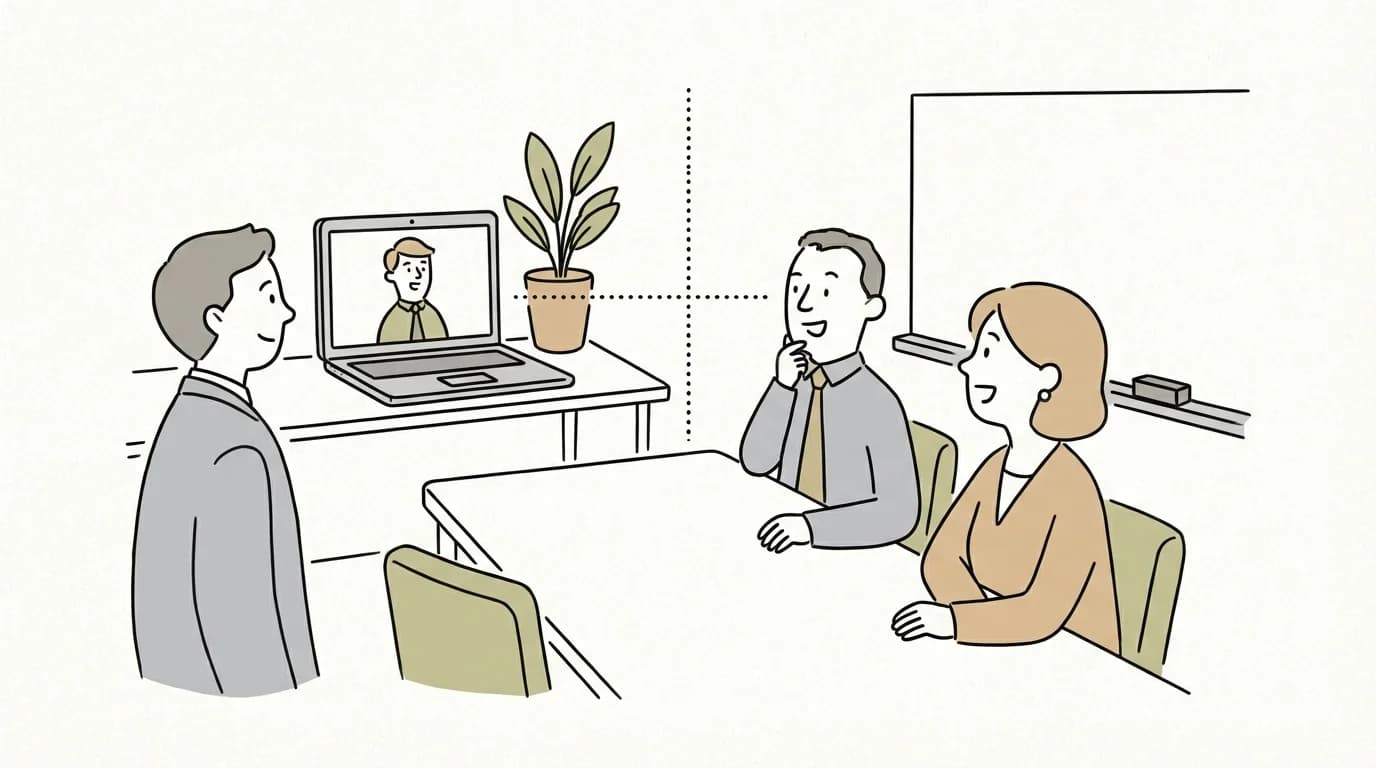
Your VP left. Or your director got replaced. Or the whole leadership layer above you reshuffled during a reorg. Whatever form it took, the result is the same: the people who understood your work, who knew your trajectory, who were ready to advocate for you, are gone or reassigned. And the new people in those seats are starting with a blank page.
Leadership changes are one of the most career-defining moments you will face as an engineer. Not because they are inherently good or bad, but because they create a window where your trajectory can shift dramatically in either direction. The engineers who recognize that window and act in it come out ahead. The ones who keep their heads down and assume continuity often discover, months later, that they have been quietly sidelined.
Why leadership changes scramble the board
Under stable leadership, career progress follows a predictable pattern. Your manager knows your work. Their boss knows your name. The promotion conversation is already in motion. You have years of accumulated context working in your favor.
When leadership changes, that accumulated context evaporates. Your old VP may have been planning to promote you next cycle. That plan does not transfer. The new VP has their own priorities, their own standards, their own people they trust. Everything you built with the previous regime needs to be rebuilt with the new one.
This is not a reflection of whether you are good at your job. It is a structural reality of how organizations work. Will Larson, who has written extensively about engineering leadership transitions, describes the first 90 days of a new leader's tenure as an intensive information-gathering period. They are building their mental model of the org from scratch: who the strong performers are, where the problems live, which teams are functional and which are not.
During those 90 days, you are either part of the information they collect, or you are not. There is no neutral position.
The first move: observe before you act
The instinct to immediately prove yourself to new leadership is understandable, but rushing can backfire. New leaders are flooded with people pitching ideas, raising concerns, and trying to make an impression. If you jump into that crowd in week one, you risk being noise instead of signal.
Instead, spend the first one to two weeks observing. Pay attention to:
- What does the new leader say in their first all-hands or team meetings? What words do they use? What priorities do they name?
- How do they communicate? Are they Slack-first, document-first, meeting-first? What cadence do they expect?
- Who are they spending time with? Which teams, which people? This tells you what they consider important.
- What do they seem frustrated by? What questions do they keep asking? These are the problems they want solved.
This is not passive waiting. This is intelligence gathering. You are learning the new rules of the game before making your move. Pay attention early to whether the new leader is an advocate or an obstacle, because that determines how aggressively you need to act.
How to reset your positioning in 30 days
After you have observed for a week or two, start acting. The goal is to be a known, valued contributor in the new leader's mental model by the end of their first month.
Re-introduce your work on their terms
Whatever you have been working on, reframe it in the new leader's language. If the previous VP cared about innovation and the new one cares about reliability, talk about how your project improves system stability rather than how it introduces a novel approach. The work is the same. The framing changes.
You are not misrepresenting your work. You are translating it for a new audience. This is one of the most important skills in navigating leadership transitions, and most engineers underestimate how much framing matters.
Make it easy for your manager to champion you
Your direct manager is your primary conduit to the new leadership. They are having 1:1s with the new VP or director, and what they say in those meetings shapes how the new leader perceives the team.
Ask your manager directly: "What is [new leader] focused on? Is there anything from my work that would be useful for you to share with them?" You are not asking your manager to brag about you. You are giving them material that makes their own team look strong.
If your manager is also new (a double reset, which happens in larger reorgs), the urgency is even higher. You need to establish context with two new people simultaneously.
Volunteer for something that matters to the new leader
Every new leader has a short list of things they want to change or fix. If you can connect to one of those items, you jump from "unknown IC" to "person who helps me execute my agenda."
This does not mean abandoning your current work. It means finding a natural intersection between what you are already doing and what the new leader prioritizes. One small contribution that is visible to them in their first month can establish a lasting positive impression.
Do not defend the old way
One of the most common mistakes engineers make during leadership transitions is reflexively defending how things used to work. "We tried that before and it did not work" or "the previous VP preferred it this way" signals that you are loyal to the past rather than adaptable to the present.
New leaders are not interested in why the old approach existed. They are interested in what works going forward. If you have legitimate concerns about a proposed change, raise them constructively: "Here is what we learned when we explored something similar, and here is what I think would make this version succeed." That is partnership, not resistance.
What to do when the change feels like a threat
Not every leadership change is neutral. Sometimes the new person is explicitly brought in to "clean house" or restructure the team. Sometimes they bring their own lieutenants and start redistributing the interesting work to people they already know.
If you sense this happening, do not panic, but do not ignore it either. Watch for these signals:
- Your scope narrows without explanation
- You are excluded from meetings or decisions you previously participated in
- The new leader spends disproportionate time with a small group that does not include you
- Hiring starts on your team for a role that overlaps significantly with yours
- Your 1:1s with your manager become perfunctory or get deprioritized
If you see several of these, start preparing your options. Update your resume. Reach out to your network. Begin exploratory conversations with other teams or companies. You are not giving up. You are making sure you are not caught off guard.
The opportunity that leadership changes create
Here is what most people miss: leadership transitions are one of the few moments where an engineer can meaningfully reposition themselves.
Under the old leadership, you might have been typecast. The "backend person." The "reliability engineer." The person who is "solid but not promotion-ready." Those labels were set by people who may have stopped reevaluating you years ago.
New leadership does not carry those labels. They see you fresh. If you have been growing in ways your old manager did not recognize, the leadership change gives you a chance to present the current version of yourself, not the version from two years ago.
This is particularly powerful for engineers who felt stuck. If your old VP was never going to promote you because of politics, personality clashes, or because they simply did not value your type of work, the new VP might be different. The leadership change is not just a disruption. It is a chance to rewrite the narrative.
The long view
Leadership changes happen more often than most engineers realize. In a typical tech career, you will go through multiple VP changes, director changes, and org restructures. Each one resets parts of your career context.
The engineers who build resilient careers are the ones who have learned to navigate these transitions quickly: observe the new landscape, reframe their contributions, build new relationships, and establish visibility within the first 30 to 60 days.
Your work matters. But who knows about your work matters just as much, and every time leadership changes, the "who knows" resets. Rebuilding it is not optional. It is a core career skill. If the change also brought a new manager, rebuilding your promotion case with a new manager covers how to carry your prior work forward so the timeline does not reset.
CareerClimb helps you stay prepared for leadership transitions with continuous win tracking, promotion case building, and AI coaching from Summit that adapts to your changing situation. Download CareerClimb to keep your career momentum no matter what shifts around you.