How to Write a Peer Review in 15 Minutes Without Sounding Generic


 CareerClimb
Hate writing reviews?
CareerClimb logs wins all year so peer reviews practically write themselves.

Share this article
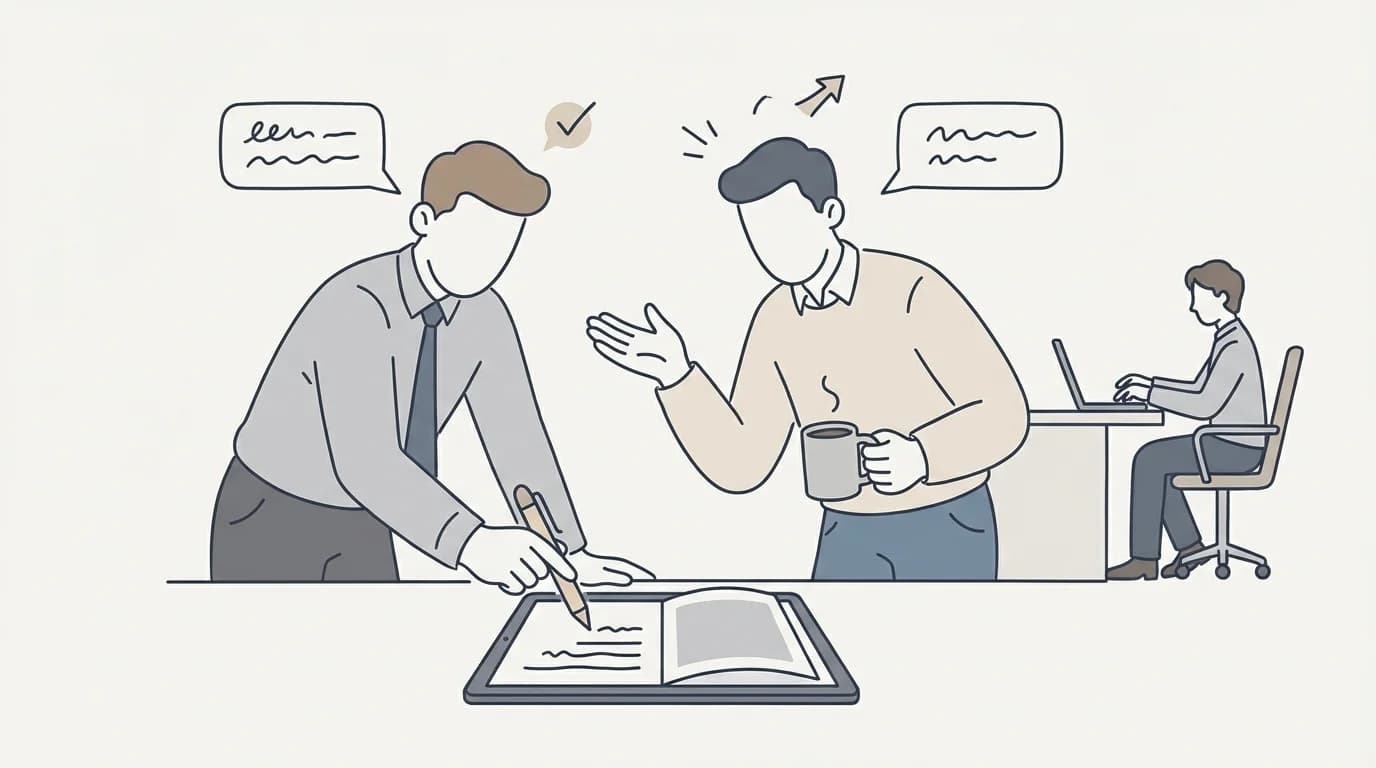
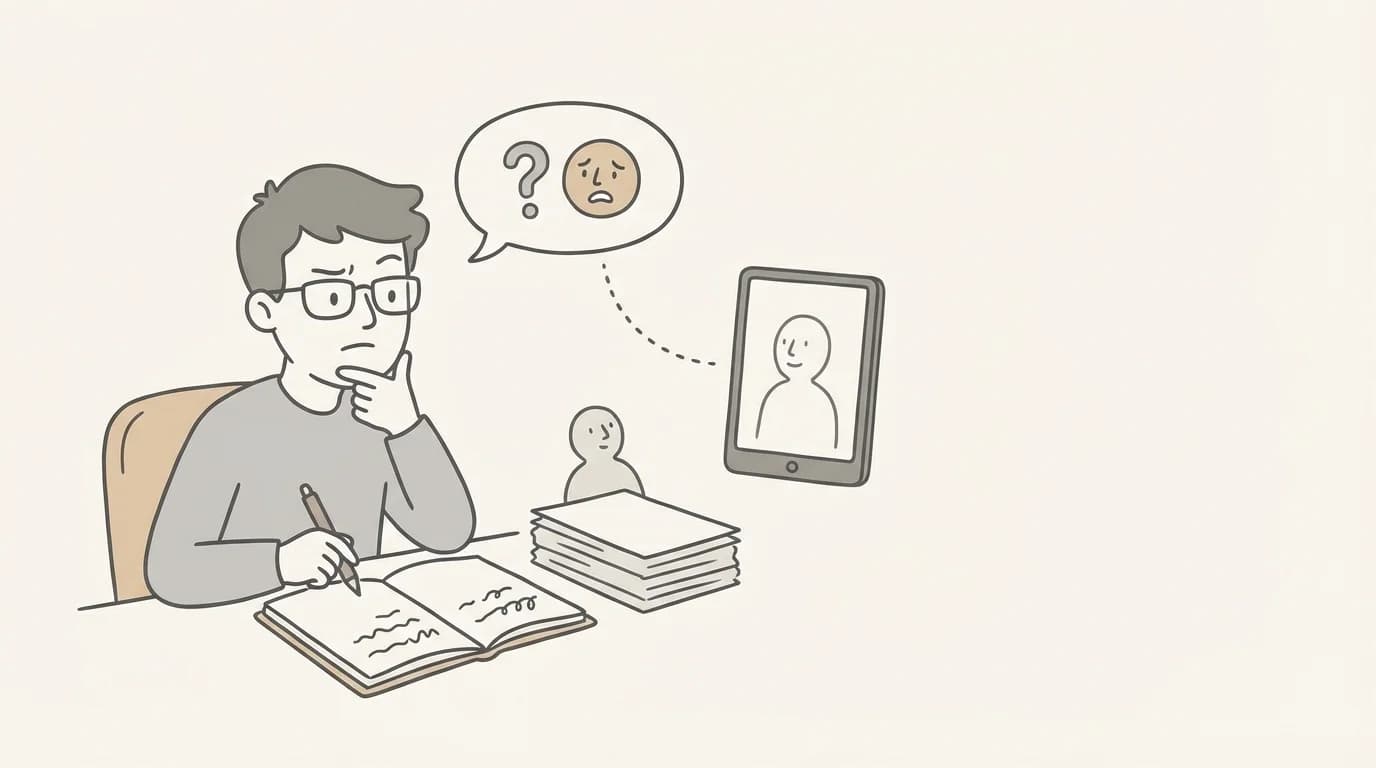
You have four peer reviews to write. Your manager sent the request three days ago. The deadline is tomorrow. And you have not started because the thought of writing something meaningful for four different people feels like a project in itself.
So you default to what most engineers do: generic praise that sounds like it was written by an HR template. "Great team player. Strong technical skills. Pleasure to work with." Submit, close the tab, feel vaguely guilty.
The problem is not that you do not care. It is that nobody taught you an efficient system for writing peer reviews that are actually useful. So each one takes 30 to 45 minutes of staring at a blank text box, or 3 minutes of generic filler. Neither is good.
Here is a 15-minute system that produces specific, helpful peer reviews every time.
The 15-minute system
Minutes 1 through 3: The memory prompt
Before you write anything, spend three minutes answering these questions about the person:
- What is one project we worked on together this cycle?
- What is one thing they did that made my life easier?
- What is one thing they could do differently that would help the team?
You do not need to write polished prose. Just jot down quick answers. This primes your brain to think in specifics instead of generalities.
If you truly cannot remember anything, check Slack messages, PR histories, or meeting notes from the review period. Even a single specific memory is enough to anchor a useful review.
Minutes 3 through 8: Write two strengths with examples
Pick two things this person does well and write one to two sentences about each. The key: every strength must include a specific example.
Without example (generic): "Strong communicator."
With example (useful): "During the API migration, they sent clear, concise updates to the team every Friday that kept everyone aligned on progress and blockers. This is something I wish more people on the team did."
Without example (generic): "Solid technical skills."
With example (useful): "When the staging environment went down during the release, they traced the issue to a misconfigured load balancer in under 20 minutes. Their debugging process was fast and methodical."
Two specific strengths with examples is worth more than five generic compliments. If you are stuck on the right language, the peer review examples article has 40+ ready-to-adapt phrases organized by category.
Minutes 8 through 12: Write one growth area (optional but valuable)
If you have a genuine constructive observation, spend four minutes on it. Use the format: what you noticed, what effect it had, what would help.
"I noticed that a couple of their PRs this cycle sat open for several days before they addressed review comments. This blocked my release twice. I think setting aside 30 minutes each morning for review follow-ups would prevent that."
If you do not have a genuine growth area, skip this. A forced criticism is worse than none at all. But if something real comes to mind, including it makes your entire review more credible, because it shows you are being honest rather than just checking a box. The peer feedback guide covers how to frame constructive observations so they land as helpful rather than harsh.
Minutes 12 through 14: Write the summary sentence
Put one sentence at the top that captures your overall impression. Think of this as the sentence their manager will remember.
- "One of the most reliable people on the team. When they commit to something, it gets done."
- "Their technical depth on the payments system is a major asset. I would love to see them share that knowledge more broadly."
- "Strong contributor who is growing quickly. With more proactive communication about blockers, they will be ready for the next level."
Minutes 14 through 15: Read it once and submit
Read your review once for tone. Ask yourself: if this person read it, would they feel respected and informed? If yes, submit. Do not wordsmith. Do not rewrite. The value is in the specifics, not the polish.
Why this works
The reason most peer reviews are generic is not lack of time. It is lack of structure. When you stare at a blank box with no framework, your brain defaults to safe, forgettable language.
The 15-minute system works because it forces specificity at every step. The memory prompt activates concrete memories. The "with example" requirement prevents generic filler. And the time constraint stops you from overengineering something that does not need to be an essay.
Templates for when you are really stuck
If the memory prompt is not working, try these fill-in-the-blank templates:
Strength template: "One thing [name] does well is [skill]. For example, during [specific project or situation], they [specific action], which resulted in [specific outcome]."
Growth area template: "One area where [name] could grow is [skill]. During [specific situation], I noticed [specific behavior], and the impact was [specific effect]. I think [specific suggestion] would help."
Minimal-contact template (for coworkers you barely worked with): "My interaction with [name] this cycle was primarily through [context, such as code reviews or a shared project]. In that context, they were [one specific observation]. I do not have enough exposure to comment beyond that."
The minimal-contact template is honest and useful. It is far better than inflating a review with praise you cannot substantiate.
Common mistakes to avoid
Writing the same review for everyone. If you find yourself copying and pasting phrases between reviews, each one is too generic. The memory prompt should produce different starting points for each person.
Writing a novel. Peer reviews should be three to five sentences for strengths, one to three sentences for growth areas. Total: 100 to 250 words. Longer is not better. More specific is better.
Skipping the growth area because it feels awkward. Growth feedback is some of the most valuable content in a peer review. If you have something genuine and specific, include it. Just be factual, not personal.
Waiting until the last hour. Reviews written at 11pm under deadline pressure tend to be either generic or accidentally harsh. The 15-minute system works best when you are not panicking.
Make next cycle easier
The hardest part of writing peer reviews is remembering what happened three to six months ago. The fix: keep a running note throughout the cycle.
Every time a coworker does something notable, positive or negative, spend 30 seconds jotting it down. "March 14: Alex caught the auth bug before prod. Saved the team." "April 2: Waited 4 days for Jamie's review, blocked release." When review season comes, you have material ready — the same running-log habit that turns a brag sheet into a strong self-review when it is your own performance on the line.