How to Tell If You Are Underleveled at Your Company

 CareerClimb
Think you're underleveled?
Find out where you actually stand — and what to do.

Share this article
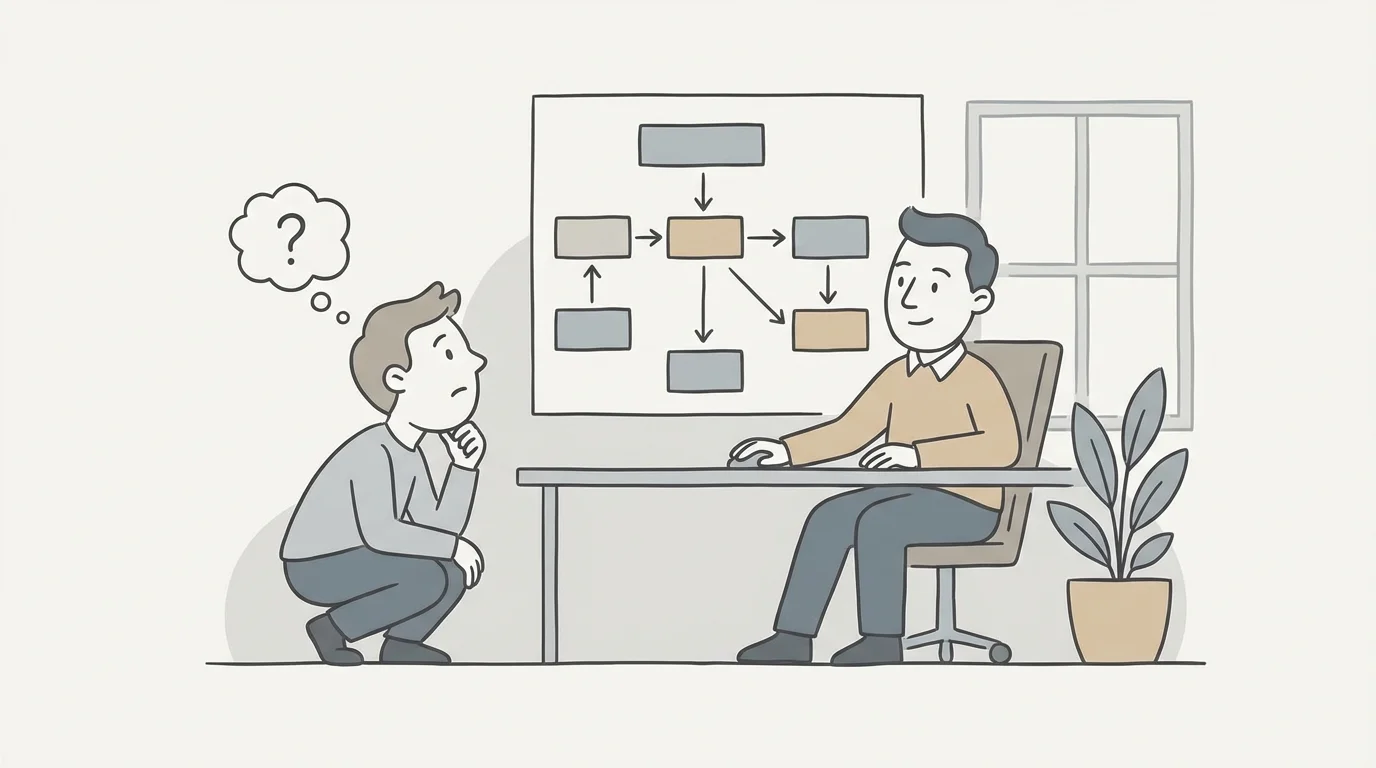
A new hire joins your team. Same years of experience. Same type of work. They come in one level above you. Nobody explains why. You start comparing notes and realize you've been doing the same scope of work they were hired to do, except you've been doing it for over a year at a lower level and lower pay.
Being underleveled is one of the most common and most expensive career problems in tech. It means your title and compensation don't reflect the work you're actually doing. It happens more than companies admit, and the longer it goes uncorrected, the more it costs you in salary, equity, and promotion trajectory.
Seven Signs You're Underleveled
Not every frustration means you're underleveled. Some engineers overestimate their own scope. But these signals are hard to misread.
You're doing the same work as people one level above you. Same kinds of projects, same autonomy, same types of decisions. If your L5 teammates are shipping features end-to-end and you're also shipping features end-to-end as an L4, the work isn't different. The level is.
New hires at your experience level come in higher. This is the clearest signal. When the market prices someone with your background at a level above yours, the company has underleveled you. This happens frequently after compensation corrections or when hiring gets competitive.
You're mentoring people at your own level. If peers at your level come to you for guidance on technical decisions, architecture, or career advice, you're operating above. Mentorship is consistently listed as a next-level expectation across Google, Meta, Amazon, and Microsoft.
Your manager keeps saying "do next-level work to prove you're ready." You look at the rubric and realize you've been doing exactly that for months. The gap isn't in your performance. It's in the company's recognition of it.
Compensation data shows you're below market. Check Levels.fyi for your role, level, and location. If your total comp is significantly below the median for your title, and especially if it's closer to the level below, that's a data point. Recruiter conversations where they pitch you at a higher level tell the same story.
You received "meets expectations" while doing above-level work. Performance ratings at most companies measure you against your current level. A "meets expectations" rating while you're consistently operating at the next level just means the system is working as designed. It doesn't mean you're performing at your level.
External interviews level you higher. When two or three companies independently assess you at a higher level through their own interview processes, the problem is your current employer's leveling, not your skills.
Why Underleveling Happens
Companies don't underevel people out of malice. But they do benefit from paying less for the same work, which creates a structural incentive to let underleveling persist.
Down-market hiring. During hiring freezes, layoffs, and economic downturns, companies lower-ball levels because candidates have fewer options. An engineer who would have been hired at L5 in a hot market comes in at L4 during a downturn. The market recovers. Their level doesn't.
Promotion budget limits. Even when your work clearly justifies a promotion, some companies cap the number of promotions per cycle. You're doing the work but there's no slot. This is especially common at companies with committee-based promotion systems where budget constraints are explicit.
Manager inertia. Some managers don't proactively push promotions. They'll agree you're ready if asked, but they don't initiate the process. In manager-driven promotion systems, this delays your advancement by entire review cycles.
Internal vs. external leveling gaps. External hires often negotiate higher levels because they have competing offers. Internal employees rarely get releveled without a formal promotion. Over time, this creates a gap where people hired externally are leveled higher than internal contributors doing the same work.
What to Do About It
Gather the evidence first
Before having any conversation, build the case. Pull up your company's rubric for the level above yours. Map your work against it. Where are you already meeting or exceeding the expectations? Be specific: name the projects, the scope, the impact, the decisions you made. This is your ammunition. The same principles that drive how software engineers build a deliberate promotion case apply here — the difference is you're correcting a leveling error, not starting from scratch.
Then check the market. Look at Levels.fyi for your role and location. If possible, talk to recruiters. You don't need to be job hunting. You need data.
Have the direct conversation with your manager
Come with evidence, not complaints. "Based on the rubric for [next level], I believe my current work matches these expectations. Here's the evidence: [specific examples]. I'd like to understand what the path to [next level] looks like and what timeline is realistic."
If your manager agrees but says the promotion needs to wait for the next cycle, get a commitment: "What specifically do I need to demonstrate between now and then?" If they disagree, ask where they see the gap. The conversation itself surfaces whether the block is real or manufactured.
Use external offers as leverage (carefully)
An external offer at a higher level is the strongest evidence that your current company has underleveled you. Some engineers use this to negotiate a re-leveling or retention package. Others use it to leave.
If you go this route, be prepared to actually take the offer. Using an offer as a bluff and then staying puts you in a weak position. Your manager will know you tried to leave, and retention counter-offers often don't solve the underlying problem.
Know when the answer is to leave
If your company can't or won't relevel you after a direct conversation, clear evidence, and a full review cycle, the market will. Engineers who stay underleveled for years pay a compounding cost: lower base salary that compounds over time, smaller equity grants, weaker negotiating position for future raises, and a title that undersells their experience on a resume.
The fastest path to correct leveling is often an external move. That's not a failure. It's how the market works. Before you accept the first offer that comes with a better title, make sure you're evaluating the new team carefully — landing at a higher level on a team with no promotion path doesn't solve the underlying problem.
The Financial Reality
The cost of being underleveled for one year depends on the gap, but at major tech companies, it's typically $50K-$150K in total compensation. At Google, the L4-to-L5 gap is over $120K in median total comp. At Amazon, SDE1 to SDE2 is roughly $100K. Even at smaller companies, the gap between adjacent levels is usually 15-30% of total comp.
Every month you stay underleveled is money you're not getting paid for work you're already doing.
CareerClimb tracks your wins and maps them to your company's promotion criteria, showing you exactly where your work matches the next level. Stop wondering if you're underleveled and see the evidence. Download CareerClimb