How to Prepare for Your Performance Review Conversation

 CareerClimb
Review meeting coming up?
Get a plan for what to say and what to ask.

Share this article
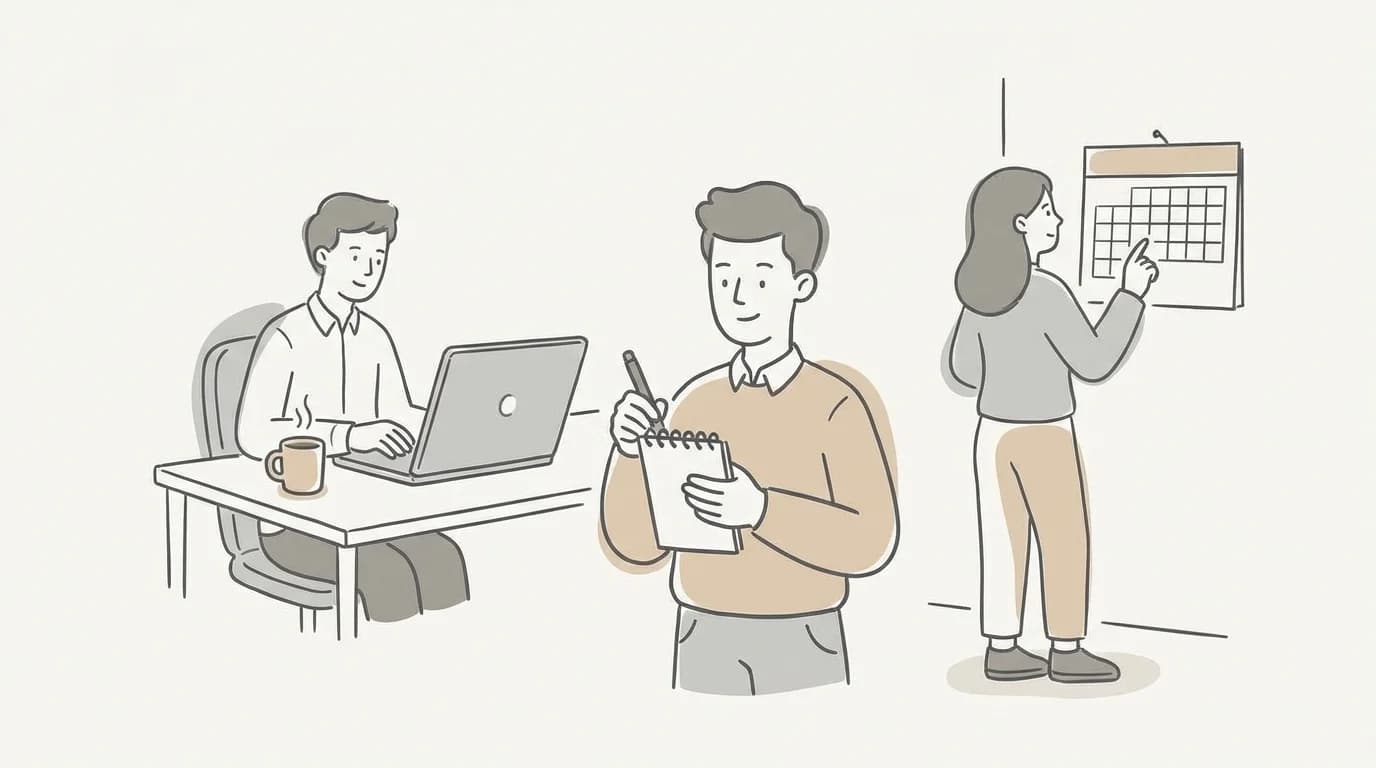
You wrote the self-review. You submitted it on time. You waited. Now your manager has a 30- or 60-minute block on your calendar labeled "performance review discussion," and the meeting is tomorrow.
Most engineers prepare for this meeting by rereading their self-review the night before. That's not preparation. That's hoping the conversation goes well.
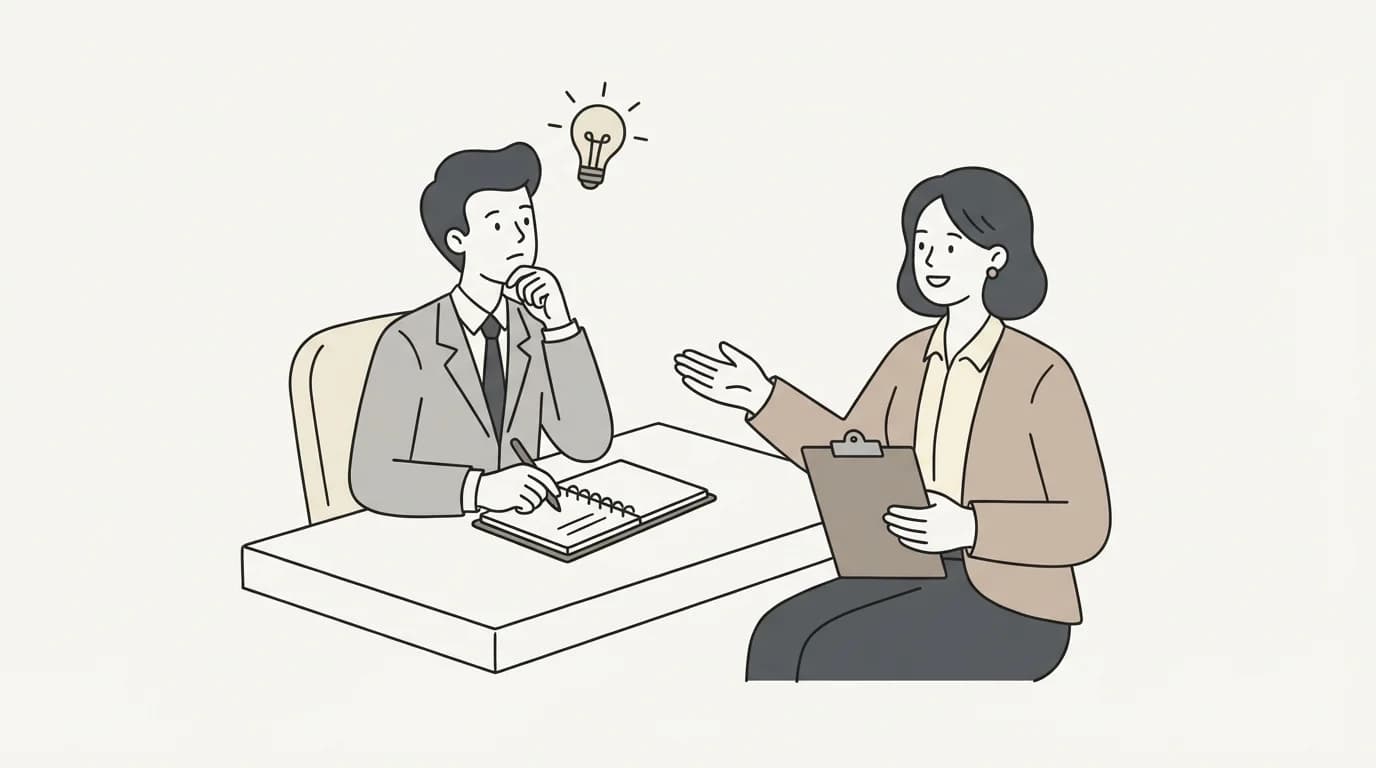
The review conversation is where your rating becomes real. It's where your manager tells you what they advocated for in calibration, whether it landed, and what happens next. It's also the one moment in the review cycle where you're in the room and can actually respond. Everything before this — the self-review, the peer feedback, the calibration meeting — happened without you. This is your turn.
Here's how to use it.
What to bring (literally)
Walk into this meeting with materials, not just feelings. The engineers who leave review conversations with clarity are the ones who came prepared to have a specific conversation, not a general one.
Your self-review. Have it open, not to reread it, but so you can reference specific projects when the conversation gets detailed. If your manager brings up something you didn't include, having the document in front of you makes it easier to respond without scrambling.
A list of your top 3-5 wins. These should be your strongest impact stories from the review period, each with a quantified outcome. Not your full work log. Your highlights. If your manager's summary misses one of these, you have it ready.
Questions you need answered. Write these down before the meeting. Not ten questions. Two or three that matter:
- "Where did my case land in calibration, and what was the feedback?"
- "What's the specific gap between where I am and the next level?"
- "What would need to be true for you to put me up for promotion next cycle?"
If you don't ask these, you'll leave the meeting with a rating and no actionable information about what to do next.
A way to take notes. Pen and paper, laptop, whatever you'll actually use. The details your manager shares in this conversation — specific feedback, calibration context, gaps they mention — will fade from memory within a week. Write them down in the room.
Is Your Self-Review Going to Hold You Back?
Find out if your self-review will help or hurt your promotion case.
7 questions · about 2 minutes · free score
1 of 7
When you think about writing your self-review, what's the first feeling that comes up?
How to advocate for yourself in the meeting
Lead with appreciation, then get specific
Thank your manager for the feedback. Mean it. Then move to the substance. A useful opening:
"Thanks for walking me through this. I want to make sure I understand exactly where I stand and what I should focus on for the next cycle."
That sentence signals that you're not here to passively receive a grade. You're here to have a working conversation about your career.
Don't let vague feedback pass unchallenged
If your manager says "you need more scope" or "your impact could be stronger," those aren't actionable. They're summaries. Your job is to turn them into specifics.
- "Can you give me an example of what stronger scope would have looked like this cycle?"
- "When you say impact, are you talking about the technical depth of the work or how widely it was felt across the org?"
Harvard Business Review research on performance review disputes found that most disagreements stem from employees and managers operating on different assumptions about what "good" looks like. Asking for specific examples closes that gap.
Present evidence for anything that was missed
Managers track multiple people. Recency bias is real — they weight the last quarter more heavily than the first. If a major project from earlier in the cycle didn't make it into their assessment, now is the time to surface it.
Don't say: "You forgot about the migration project."
Say: "I noticed the migration I led in Q1 didn't come up. That was a cross-team effort that reduced deployment time by 40%. I wanted to make sure it's part of the picture."
That framing adds evidence without creating conflict. You're filling in a gap, not correcting an error.
Ask about calibration directly
Your manager presented your case to a room of other managers. What they said — and what pushed back — matters. Most managers will share some of this if you ask. Many won't volunteer it.
"What was the committee's reaction to my case? Was there anything they wanted to see more of?"
This gives you intelligence about how the people who actually make decisions perceive your work. That's information you can't get anywhere else. Understanding how calibration actually works makes you a better participant in this conversation because you know what your manager was dealing with in that room.
What to do if the rating surprises you
It happens. You expected one thing. You got another. The next 60 seconds determine whether this conversation stays productive or goes sideways.
Don't react in the moment
An emotional response — visible frustration, arguing, shutting down — closes the conversation. Your manager stops sharing context and starts managing your reaction. You lose the information you need most.
Crucial Learning research on high-stakes conversations found that people who respond with curiosity instead of defensiveness get significantly more useful information from the other party. The impulse to defend yourself is natural. Resist it for five minutes.
Buy time with one sentence
"That's not the rating I expected. I want to understand how you got there. Can you walk me through the specific factors?"
That sentence does three things: it signals you're surprised without being combative, it keeps the conversation going, and it shifts the burden to your manager to justify the rating with evidence.
Listen for the real feedback
When a rating is lower than expected, the explanation usually falls into one of three categories:
- Calibration pressure. Your manager agrees you performed well but the rating got pushed down by the committee. This means the issue is evidence or visibility, not performance.
- A gap you didn't see. Your manager has feedback they didn't surface during the cycle. This is frustrating but actionable.
- A genuine disagreement. You and your manager see your performance differently. This requires a longer conversation with specific examples from both sides.
Each of these leads to a different next step. Don't collapse them into one feeling.
If you genuinely disagree, don't fight the rating — fight for clarity
You're not going to reverse a rating in the meeting. The process is done. What you can do is establish what needs to change and get it in writing.
"I hear you. I see this differently, and I'd like to share my perspective at our next 1:1 when I've had time to process. For now, can we talk about exactly what the committee would need to see next cycle?"
That buys you the space to respond thoughtfully while keeping the conversation forward-looking. If you want a more detailed plan for the aftermath, what to do after a bad performance review covers the first 72 hours and beyond.
How to end the meeting with clarity
The last five minutes of a review conversation are the most underused. Most people wrap up with "thanks, this is helpful" and walk out with a vague sense of what to do next.
Instead, close with three specific asks:
- Confirm the gap. "So the main thing between me and the next level is [X]. Is that right?" Make your manager say it plainly.
- Ask for a timeline. "If I close that gap this half, is next cycle realistic for a promotion conversation?" You need to know whether you're looking at six months or two years.
- Schedule the follow-up. "Can we put a check-in on the calendar for 60 days to review progress on what we discussed?" Without a date, the feedback dissolves.
That check-in is where your self-review from this cycle becomes the foundation for next cycle's case. If your company has a formal mid-year review, that's an even earlier checkpoint — and one you can turn into a real promotion conversation. The engineers who get promoted aren't the ones who had the best review. They're the ones who turned the review into a plan and followed through.
The preparation checklist
Use this before your next review conversation:
- Reviewed your self-review and have it accessible
- Listed your top 3-5 wins with quantified outcomes
- Written down 2-3 specific questions you need answered
- Prepared to take notes during the meeting
- Identified any wins your manager may have missed (check early-cycle work)
- Thought through what you'll say if the rating is lower than expected
- Blocked 15 minutes after the meeting to write down what was said while it's fresh
CareerClimb helps you prepare for the conversations that shape your career. Your AI coach, Summit, runs through review scenarios, helps you frame your wins, and builds the evidence your manager needs to advocate for you in calibration. Download CareerClimb